In the heart of every home, appliances serve as workhorses, keeping our daily lives running smoothly. However, as these devices age, deciding between repair and replacement can be daunting. This is especially true for essential appliances like a cooktop, where a simple repair could extend its life, saving you the cost and hassle of a full replacement. This article is your practical guide to navigating this dilemma. We'll explore the signs that indicate when an appliance is beyond repair, the benefits of a timely replacement, and the crucial steps to ensure you're getting the best service, whether choosing a cooktop repair or considering a new unit.
- Assess Age, Cost, and Functionality: Weighing Repair vs. Replace
- Common Aging Issues: Signs Your Cooktop Needs Attention
- Cost-Effective, Eco-Friendly Options: Choosing Repair or Replacement
Assess Age, Cost, and Functionality: Weighing Repair vs. Replace
When deciding between repairing or replacing an aging appliance, a crucial step is to Assess Age, Cost, and Functionality. This evaluation is where the true value of your appliance becomes clear, guiding your decision with practical and cost-effective insights.
In South Austin and Rollingwood, an appliance repair company serving these areas often encounters this dilemma with homeowners. Let's consider a scenario with a dishwasher: it's been humming along for a decade, but recently, it's taking longer to clean and isn't removing stains as effectively as it once did. A quick assessment reveals several factors. First, the age: a decade is a significant lifespan for a dishwasher, indicating potential wear and tear. Next, the cost: a complete replacement could range from a few hundred to a thousand dollars, depending on the model and energy efficiency. However, a repair could cost as little as $100-$200 for parts and labor, with some high-end models requiring a bit more. The key is to weigh these costs against the expected lifespan of a repaired appliance.
In the case of a cooktop, a different analysis may apply. If the cooktop is gas-powered and still functions well but is outdated, a repair might not be the best investment. Gas cooktops can be costly to repair, especially with specialized parts. Replacing it with a modern electric or induction model might be more economical in the long run, offering improved safety features and energy efficiency. A dishwasher repair in South Austin could extend its life by a few more years, while a new cooktop in Rollingwood might be a more sensible choice for a home's modern kitchen needs.
The decision to repair or replace should be based on a combination of these factors. It's essential to consider the appliance's age, its cost to repair versus replace, and how well it continues to function. An appliance repair company serving these areas can offer expert guidance, helping homeowners make informed choices tailored to their individual needs and budgets.
Common Aging Issues: Signs Your Cooktop Needs Attention

As appliances age, they may exhibit signs of wear and tear, prompting homeowners to consider whether a repair or replacement is the best course of action. This is especially true for a household staple: the cooktop. A cooktop, whether gas or electric, is a critical component of your kitchen, and when it starts showing its age, it's essential to recognize the symptoms and understand the options.
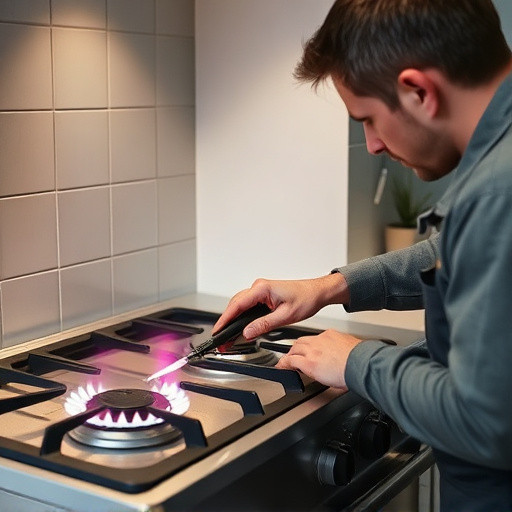
Common issues with cooktops can include malfunctioning burners, uneven heating, or visible damage to the cooktop surface. A gas cooktop might have a burner that won't light consistently, or an electric cooktop might exhibit hot spots, leading to uneven cooking. These issues aren't always a sign of a complete failure but could indicate a need for simple adjustments or more significant repairs. The first step in deciding whether to repair or replace is to assess the extent of the problem. An experienced Austin appliance repair team can offer valuable insights during a thorough inspection.
When repairs are feasible and cost-effective, fixing an aging cooktop can extend its lifespan. However, some issues may be more complex, such as an oven or range that's not heating properly. In these cases, a replacement might be the better choice. Regular maintenance and timely repairs can significantly impact the longevity of your appliances. By understanding the common aging issues, you can make informed decisions about cooktop maintenance and replacement, ensuring your kitchen remains a reliable and efficient space.
Cost-Effective, Eco-Friendly Options: Choosing Repair or Replacement
When deciding between repairing or replacing an aging major appliance, such as a cooktop in Rollingwood or Austin, homeowners often face a complex choice. This decision is crucial, as it impacts both the wallet and the environment. A cost-effective, eco-friendly approach involves understanding the lifespan and repairability of these appliances.
In many cases, especially with well-maintained appliances, repair can extend their life significantly. A simple cooktop repair in Austin can resolve issues like malfunctioning burners or uneven heating. An experienced Austin appliance repair team can quickly diagnose the problem and offer solutions, often at a fraction of the cost of replacement. This is particularly true for minor issues, where parts can be replaced or adjusted. However, major repairs or frequent troubleshooting may indicate an appliance's declining health. Here, replacement becomes the more sustainable option, as it prevents further environmental impact from constant repairs.
The environmental aspect is an essential consideration. Older appliances often consume more energy, contributing to higher utility bills and a larger carbon footprint. Replacing them with energy-efficient models can lead to substantial long-term savings. Modern cooktops are designed to be more energy-conscious, using induction technology or advanced heating elements. These upgrades not only save money but also align with sustainable living practices, which are becoming increasingly important in cities like Austin.
Homeowners in Rollingwood or Austin should assess their appliances' condition and age. Repair might be the best choice for minor issues, extending the appliance's life and saving costs. However, when major repairs become frequent or the appliance is nearing the end of its expected lifespan, replacement can be the more economical and eco-friendly option.
Frequently Asked Questions About an Explainer on When to Repair or Replace an Aging Appliance
What should I consider when deciding to repair or replace an old appliance?
When deciding between repair and replacement, weigh several factors. First, consider the appliance's age and whether it's still under warranty. Older models might be harder to service or no longer have available parts. Also, evaluate the repair cost against the appliance's remaining useful life. If the repair price is minimal compared to its worth and it's still reliable, mending it might be the better choice. However, if the appliance is energy inefficient or frequently breaking down, replacement may be more cost-effective in the long run.
How do I know if an appliance is beyond repair?
If repeated repairs aren't solving the issue or the appliance is reaching the end of its expected lifespan, it might be beyond repair. Consider its age and whether it's reached the typical end-of-life for its type. A 15-year-old refrigerator may need replacing, while a 5-year-old dishwasher could still have many years left with proper care. Also, look for persistent problems that indicate a fundamental design flaw, suggesting a replacement is in order.
What are the energy-saving benefits of replacing an old appliance?
Replacing an aging appliance, especially with a modern, energy-efficient model, can significantly reduce utility bills. Older appliances often guzzle energy, contributing to higher electricity costs. Upgrading to ENERGY STAR-certified equipment can cut consumption by 10-50%, depending on the appliance. This not only saves money but also helps the environment by reducing your carbon footprint.
When should I prioritize getting a new appliance, even if it's not strictly necessary?
Consider upgrading to a new appliance if it offers improved functionality, better technology, or enhanced safety features. Modern dishwashers may have more efficient filters or quieter motors. If a new model includes smart home connectivity or energy-saving modes, it could pay for itself over time. If an old appliance is unsanitary or difficult to use, replacing it can significantly improve your quality of life.
How do I ensure I'm getting a quality replacement?
When selecting a replacement, research reputable brands known for durability and customer satisfaction. Read reviews and compare models to find one that aligns with your needs. Consult a trusted home service pro or appliance specialist for advice. They can guide you on the best options for your budget and specific requirements, ensuring you invest in a quality appliance that will last.
As you've navigated this guide, you've gained valuable insights into the complex decision between repairing or replacing aging appliances. The process requires a thoughtful balance between cost, functionality, and the environmental impact. By understanding common aging issues, such as the frequent need for cooktop repair, you can make informed choices. Remember, a well-maintained appliance can extend its lifespan, but there comes a point where repair is no longer cost-effective.
When considering the cost of repair versus replacement, assess the age of the appliance, the frequency of issues, and the potential for future repairs. Opting for repair can be a more economical and eco-friendly choice, especially with the rise of same-day service and the availability of parts. However, if the appliance is nearing the end of its expected lifespan or repairs become increasingly frequent and costly, replacement might be the more sustainable path.
Whether choosing to repair or replace, prioritize regular maintenance and timely attention to signs of wear and tear. This proactive approach, coupled with the knowledge gained from this guide, will empower you to make the best decision for your household appliances and contribute to a more sustainable future.
Homeowners in Tucson, facing an aging appliance, must Assess Age, Cost, and Functionality to decide between repair and replacement. For a cooktop, consider the type (gas or electric), common issues (malfunctioning burners, uneven heating), and the cost of repairs versus replacement. Timely repairs can extend appliance life, but major issues may require replacement for cost-effectiveness and environmental sustainability, especially with energy-efficient models. An expert Tucson home service pro can guide these decisions, ensuring informed choices tailored to budget and needs.