In today's world, appliances are the backbone of our modern homes, from the convenience of a dishwasher to the reliability of a furnace. However, as these appliances age, the dilemma of repair versus replacement arises for many homeowners. This decision is crucial, as it can significantly impact both your wallet and the longevity of your home's comfort. Choosing between repairing or replacing an aging appliance isn't straightforward; it involves considering factors like cost, appliance lifespan, and environmental impact. This article will guide you through this complex decision, offering insights into common appliance failures, the cost of repairs, and-crucially-how to choose the right repair technician to ensure your home's comfort and your peace of mind.
- Assess Appliance Age and Performance
- Evaluate Repair vs. Replacement Costs
- Choosing a Reputable Repair Technician
Assess Appliance Age and Performance

Assessing the age and performance of your appliances is a crucial step in determining whether to repair or replace. This involves more than just looking at the calendar; it's about understanding the specific needs of each appliance and the costs associated with maintaining or replacing them.
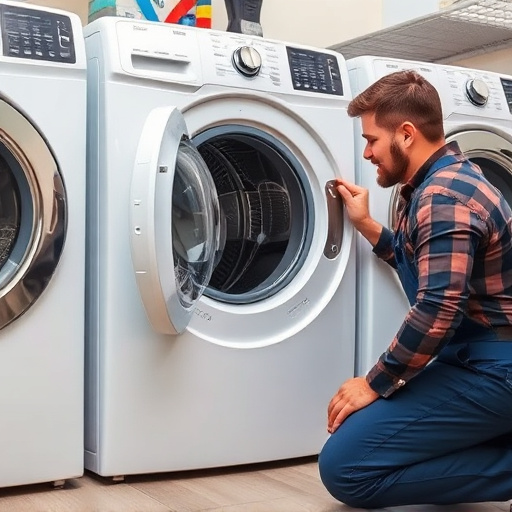
Take, for instance, a washer. If your machine is more than 10 years old and has started to exhibit persistent issues like a washer that won't drain or spin, these could be signs that repairs won't be cost-effective in the long run. The same logic applies to dishwashers and ovens. A dishwasher that's not cleaning properly or an oven that's constantly malfunctioning might be candidates for replacement, especially if parts are scarce or wait times for repairs are lengthy. An Austin appliance repair technician can provide guidance on parts availability and service call fees, but ultimately, the decision often comes down to balancing the cost of repairs against the expected lifespan of the appliance.
When evaluating an oven, consider factors like the condition of the heating elements and the overall efficiency of the appliance. Older models might be less energy-efficient, making replacement a more sustainable choice. In contrast, a dishwasher might be repairable if its issues are relatively minor, such as a leaking door or a faulty heating element. However, if the appliance is showing signs of frequent breakdowns, choosing a repair technician with expertise in these specific models can help extend its lifespan.
In cases of doubt, consider a cost-benefit analysis. Calculate the average appliance repair cost for your specific model and compare it against the price of a new one. Factor in energy savings and potential future repairs for the existing appliance. This analysis, combined with the appliance's performance and age, will help guide your decision. Remember, while it might be tempting to opt for replacement, repairing aging appliances can be a cost-effective way to maintain functionality and reduce waste, especially when the appliance still has several years of useful life left.
Evaluate Repair vs. Replacement Costs

When deciding between repairing or replacing an aging appliance, one of the most critical factors is the cost analysis. This is especially true for major appliances in your home, like those in Westlake, Barton Hills, and beyond, which play a significant role in your daily life. While immediate replacement might seem appealing, a thorough evaluation of repair costs can often extend the life of your appliance and save you money.
Start by gathering quotes from reputable appliance repair companies serving Austin and nearby suburbs. Repairing a washer typically involves replacing worn-out parts like drum seals or transmission belts, which can range from $150 to $300, depending on the make and model. In contrast, replacing a washer entirely can cost anywhere from $500 to $1500, not including installation. Similar cost dynamics apply to other appliances, with repairs often being a fraction of the replacement cost. However, the decision isn't always that simple. Some appliances, like ovens, might require specialized parts and labor, increasing repair costs. An oven repair in Barton Hills could cost between $200 and $400, depending on the issue. In such cases, a thorough troubleshooting process by a qualified technician is essential.
Choosing a repair technician is crucial. Look for companies with proven experience in your area, like those serving Westlake and its surroundings. Ensure they offer transparent pricing and can provide parts and labor guarantees. A reputable technician will also consider the age and condition of your appliance, the availability of parts, and potential future repair needs. They might recommend repairing a less critical issue, such as a dishwasher not cleaning properly, while suggesting a replacement for a more significant problem, like hard water causing repeated damage. Remember, an appliance isn't just a cost center; it's an investment in your home's comfort and convenience. By carefully weighing repair versus replacement, you can extend the lifespan of your appliances and maximize your investment.
Choosing a Reputable Repair Technician
When faced with an aging appliance, the decision to repair or replace can be challenging. While some issues might be easily resolved with DIY troubleshooting, many major appliances require the expertise of a qualified technician. Choosing the right repair technician is crucial to ensure your appliance's longevity and your satisfaction with the service.
In Westlake, where homeownership is prevalent, homeowners often rely on reputable appliance repair companies serving Austin and nearby suburbs. Look for a technician with extensive experience in various brands and models, especially if you have a unique or older appliance. An oven repair in Westlake might require specialized knowledge, as different models have unique features and troubleshooting methods. An experienced technician will be able to diagnose the issue accurately and provide cost-effective solutions.
Beyond technical skill, consider the following when choosing a repair technician: insurance and liability, as well as a history of positive customer reviews. An appliance repair company serving Austin and its suburbs should be bonded and insured to protect both the homeowner and the technician. Online reviews and references from previous customers offer valuable insights into the technician's professionalism, punctuality, and the quality of their work. A quick search for "appliance repair reviews Austin" can provide a wealth of information on local technicians and their reputations.
Ask about warranties and guarantees on parts and labor. Some repair companies offer extended warranties, providing peace of mind and ensuring that you're not left with unexpected repair costs. A reputable technician will also offer pre-repair assessments, allowing you to understand the scope of the issue and the potential solutions, before committing to any work. This transparent approach ensures that you're making an informed decision about the future of your aging appliance.
Frequently Asked Questions About an explainer on when to repair or replace an aging appliance
What should I do when my appliance breaks down?
When your appliance breaks down, assess the severity of the issue. Minor malfunctions like a loose door seal or a faulty control panel might be repaired quickly. Contact a qualified technician for diagnostics. They'll provide an honest evaluation, suggesting either a repair or replacement based on cost-effectiveness and appliance life expectancy.
How do I know if it's time to replace an appliance?
Consider the age of the appliance, the cost of repairs, and its performance. Older appliances are more prone to frequent breakdowns. A new model could offer improved energy efficiency and features.
Are there any signs I should replace an appliance sooner?
Yes. Uncontrollable temperatures, frequent power outages, or unusual noises signal potential safety issues. A refrigerator not maintaining proper temperature requires immediate attention. In such cases, replacement might be necessary to avoid food spoilage or health hazards.
How can I extend the lifespan of my appliances?
Regular cleaning and maintenance are key. Follow manufacturer guidelines for cleaning and check for wear parts. Preventative measures like insulation upgrades or switching to energy-efficient models also extend appliance life. Promptly addressing minor issues before they become major can save money in the long run.
What if I'm unsure whether to repair or replace?
Consult with a professional technician. They can provide unbiased advice based on their expertise and your situation. Consider the appliance's remaining lifespan, repair costs, and the impact on your energy bills. Remember, a replacement might offer better long-term savings if the appliance is no longer cost-effective to repair.
When deciding whether to repair or replace an aging appliance, a thorough assessment of both its age and performance is crucial. By evaluating the cost of repair versus replacement, homeowners can make informed choices that balance financial investment with long-term efficiency. Choosing a reputable repair technician is paramount; they can provide expert insights, accurate estimates, and quality workmanship.
The article has emphasized the importance of understanding appliance lifespans, common failures, and the impact of environmental factors. By considering these factors, homeowners can anticipate potential issues and prepare for proactive maintenance. Choosing a repair technician who specializes in your specific appliance type ensures a tailored solution, minimizing costs and maximizing appliance longevity.
Repairing or replacing an appliance involves a strategic decision-making process. Homeowners now have the tools to assess their situation, compare costs, and select a reliable technician, ensuring their home's appliances serve them well into the future.
When deciding between repairing or replacing an aging appliance, start by assessing its age, performance, and specific needs. Evaluate repair costs against the price of a new appliance, factoring in energy savings and future repairs. Choose a repair technician with proven experience, expertise in your appliance's model, insurance, and positive customer reviews. Seek pre-repair assessments and understand warranties for parts and labor to make an informed decision.