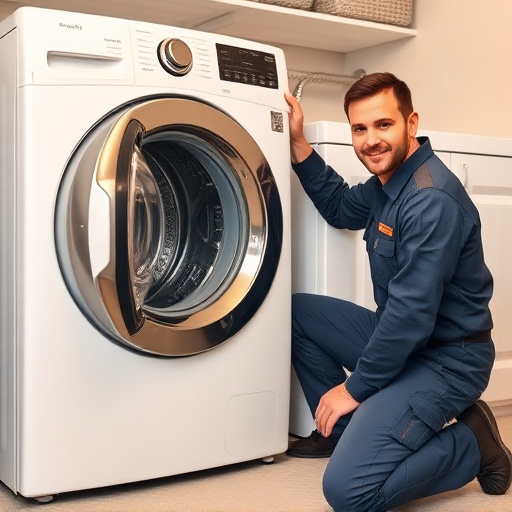
In the sweltering Texas heat, where humidity often soaks through every pore, it's not just people who struggle-appliances do, too. The combination of extreme heat, sticky air, and hard water creates a unique and challenging environment for your home's valuable electronics. This combination can accelerate wear and tear, leading to frequent failures and costly repairs or premature replacements. This article examines how these environmental factors impact your appliances, focusing on strategies to extend their lifespans. We'll explore common failures, offer a detailed appliance maintenance checklist, and guide you through choosing the right repair services, all tailored to the specific needs of the Austin climate.
- Understanding Texas' Impact on Appliances
- The Role of Heat, Humidity, and Water
- Regular Maintenance: Your Defense Against Wearout
Understanding Texas' Impact on Appliances
The unique environmental conditions in Texas present specific challenges for homeowners for appliance maintenance and longevity. Heat, humidity, and hard water are a potent trio that can accelerate appliance wear and tear, leading to more frequent repairs or even premature replacements. Understanding these factors is crucial for anyone looking to extend the lifespan of their kitchen and laundry appliances.
In the heart of Texas, the intense summer heat can take a toll on appliances, especially those that generate and contain heat, such as ovens and ranges. High temperatures can lead to more frequent oven repairs, as components may expand and contract, causing wear over time. Similarly, humidity, which is often high in the region, can contribute to mold and mildew growth inside appliances, particularly in dishwashers and refrigerators. This can result in poor cleaning performance and, eventually, damage to sensitive parts. Hard water, prevalent in many areas of Texas, poses another challenge. The minerals in hard water can build up inside appliances, affecting their efficiency and performance. This is especially true for water heaters and dishwashers, which can experience reduced lifespan due to mineral buildup.
A local Austin appliance repair company emphasizes the importance of an appliance maintenance checklist tailored to Texas conditions. Regular cleaning and maintenance can mitigate the effects of heat, humidity, and hard water. Cleaning the dryer vent to prevent lint buildup, which can cause fires and reduce drying efficiency, is crucial in humid environments. Regular descaling of water heaters and dishwashers can extend their lives. Homeowners in Barton Hills and other areas with similar climates should consider these factors when evaluating their appliance performance and plan for proactive maintenance to avoid costly repairs or sudden failures.
The Role of Heat, Humidity, and Water
The relentless Texas heat, stifling humidity, and hard water aren't just unpleasant; they're significant contributors to the accelerated wear and tear of your home's appliances. These environmental factors can wreak havoc on even the best-maintained devices, leading to costly repairs or premature replacements. Understanding how these elements impact your appliances is crucial for proactive maintenance.
Heat, for instance, can be particularly damaging. Running appliances like ovens and ranges at high temperatures for extended periods can lead to internal component degradation. In a climate like Austin's, where summers are hot and humid, this wear and tear can occur faster. Humidity can cause rust and corrosion, especially in areas with high moisture levels, like dishwashers and washing machines. This is particularly true for hard water regions, like those around Barton Hills, where mineral buildup can clog drains and diminish appliance performance.
Regular maintenance, including a thorough appliance maintenance checklist, becomes even more critical in these conditions. An appliance repair service in Austin TX, for example, often emphasizes the importance of preventing clogs in dishwashers and washing machines, cleaning dryer vents to improve airflow, and inspecting ranges and ovens for signs of excessive wear. A dishwasher that's constantly battling mineral buildup may require more frequent disassembly and cleaning, while a range with outdated heating elements might be more prone to malfunctions in hot, humid weather. By understanding these environmental challenges and incorporating them into your appliance maintenance routine, you can extend the lifespan of your appliances and avoid unexpected breakdowns.
Regular Maintenance: Your Defense Against Wearout
In the face of Texas' unique environmental challenges, regular appliance maintenance becomes an essential defense against premature wearout. The state's scorching heat, stifling humidity, and hard water can accelerate appliance degradation, leading to costly failures. An Austin appliance repair technician from a reputable service like Austin Appliance Masters emphasizes that proactive care is key.
Regular maintenance, as outlined in an appliance maintenance checklist, can significantly extend the lifespan of your appliances. Consider the oven, a critical kitchen appliance in any home, especially in the heart of Texas. Regular cleaning, including removing burnt-on food and checking for leaks, prevents buildup that could affect heat distribution and efficiency. Hard water, common in many parts of Texas, can leave mineral deposits inside appliances, from dishwashers to ovens. This can result in reduced performance and increased energy consumption. An appliance repair service in Austin, like Austin Appliance Masters, recommends regular cleaning and descaling to mitigate these issues.
Beyond individual appliance care, understanding the impact of environmental factors is crucial. High humidity, a common occurrence in Austin, can foster mold growth inside appliances, especially in damp environments. This can lead to not only performance issues but also potential health hazards. A well-maintained appliance maintenance checklist should include regular checks for moisture buildup and prompt attention to any signs of mold. In Bee Cave or South Austin, where power outages can be frequent, surge protection for appliances becomes essential. A power surge can damage sensitive components, so investing in surge protectors can be a smart preventive measure.
For rental property owners, regular appliance maintenance is also vital. Tenants might not always report issues promptly, so owners should stay proactive. An appliance repair company serving Austin and nearby suburbs can offer guidance tailored to rental properties, ensuring appliances remain in top condition. Regular maintenance, combined with prompt troubleshooting, can help avoid costly repairs. If a washer won't drain or a dryer takes too long to heat up, addressing these issues early can prevent more severe damage. Remember, a well-maintained appliance is a happy, efficient appliance.
Frequently Asked Questions About a look at how Texas heat, humidity and hard water wear out appliances
What causes appliances to fail more frequently in Texas?
Texas's unique combination of high heat, humidity, and hard water creates a challenging environment for appliances. Heat can accelerate corrosion and wear on electrical components, while humidity fosters mold and mildew growth inside appliances, compromising their performance and longevity. Hard water, rich in minerals, can cause internal scaling and damage to delicate machinery, leading to frequent breakdowns.
How does humidity impact appliance lifespan?
Humidity levels in Texas can significantly affect appliance performance. High humidity promotes mold and mildew growth, which can clog filters and disrupt the normal functioning of appliances, especially those with water or moisture-related components like washing machines and refrigerators. Regular maintenance and dehumidification can mitigate these effects, extending appliance life.
What role does water quality play in appliance wear and tear?
The quality of water in Texas, characterized by high mineral content, can lead to internal scaling in appliances. Minerals like calcium and magnesium can build up in water heaters, dishwashers, and washing machines, reducing water flow and causing parts to wear out faster. Using water softeners and regular cleaning can minimize this impact.
Are there specific appliances more susceptible to damage in Texas?
Yes, certain appliances are more vulnerable. Air conditioners, due to constant use and the hot, humid climate, often face premature failure. Water heaters may experience corrosion and rusting from hard water. Washing machines and dishwashers can suffer from mold buildup and scaling, respectively, if not maintained properly.
How can homeowners protect their appliances from Texas' harsh conditions?
Regular maintenance is crucial. This includes cleaning filters, checking for leaks, and inspecting appliances for signs of damage. Using water softeners can reduce mineral buildup. Investing in energy-efficient models with better corrosion protection and sealing features can extend appliance life. Prompt repair of leaks or performance issues is also essential.
As we've explored the impact of Texas' unique climate on appliances, it's clear that heat, humidity, and hard water are significant contributors to appliance wearout. Regular maintenance, including a thorough appliance maintenance checklist, can extend the lifespan of your appliances and save you from costly repairs or premature replacements. Prioritizing prevention is key: stay on top of routine cleaning, check for leaks, and consider surge protection for appliances, especially in areas prone to power outages. By understanding the specific challenges posed by Texas' environment, you can make informed decisions about when to repair or replace, ensuring your appliances serve you well for years to come.
Texas' extreme heat, humidity, and hard water accelerate appliance wear and tear, requiring a tailored maintenance approach. Regular cleaning and maintenance, as outlined in an appliance maintenance checklist, mitigate these effects. Key areas include dryer vent cleaning, descaling water heaters and dishwashers, and monitoring for mold growth and power surge protection. Proactive care extends appliance lifespans, prevents costly failures, and ensures efficient performance.