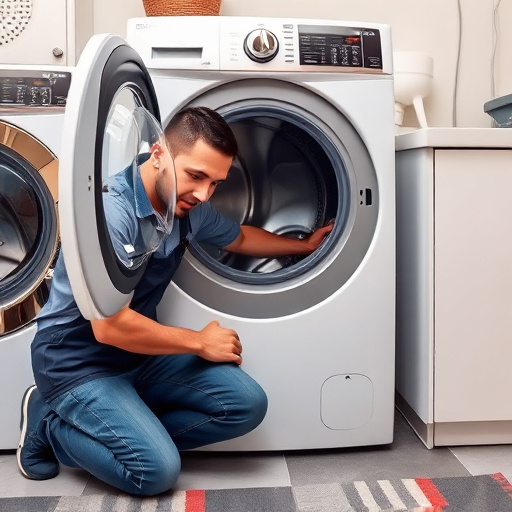
In the sweltering Texas heat, the combination of high humidity and hard water can wreak havoc on your home's appliances, leading to costly repairs or premature replacements. This is particularly true for appliances like dishwashers, which are expected to maintain a high level of cleanliness, yet often fail to clean dishes properly due to these environmental factors. As a homeowner in Austin, understanding how these issues impact your appliances is important.
This article examines the science behind appliance degradation in Texas, focusing on practical solutions to extend the lifespan of your valued devices. We'll explore a proven framework for choosing the right repair service, providing expert insights into everything from common failures to surge protection, ensuring your appliances remain reliable and efficient.
- Understanding Texas' Unique Appliance Wear Factors
- Hard Water, Humidity, and Dishwasher Efficiency
- Proactive Maintenance for Longevity: Preventing Dishwasher Issues
Understanding Texas' Unique Appliance Wear Factors

Texas, with its unique blend of heat, humidity, and hard water, presents specific challenges to household appliances. These environmental factors can accelerate appliance wear and tear, leading to frequent failures, especially in critical units like washers, ovens, and dishwashers. Let's examine how each of these factors impacts your appliances and what you can do about it.
High temperatures and humidity in the Austin area can cause appliances to work harder, shortening their lifespans. A washer designed for a cooler climate may struggle to efficiently clean clothes in the hot, humid Texas summer. As a result, you might notice persistent stains or a failure to fully clean your laundry. Similarly, dishwashers in these conditions often face challenges, leaving dishes less than sparkling clean. Hard water, prevalent in many parts of Texas, can also be detrimental, as mineral buildup can clog pipes, drain lines, and even damage the internal components of appliances, further exacerbating the cleaning performance issues.
An experienced Austin appliance repair team often encounters these challenges in the course of their work. They can guide you through pre-repair preparation, offering tips such as regular filtering and maintenance of water lines to mitigate hard water's effects. They can perform troubleshooting and offer cost-effective solutions, including appliance replacement, when necessary. By understanding these unique wear factors, homeowners can make informed decisions, such as investing in appliances with better heat and humidity resistance or considering surge protection for sensitive electronics, ultimately extending the lifespan of their appliances.
Hard Water, Humidity, and Dishwasher Efficiency
Texas' unique climate, characterized by intense heat, high humidity, and hard water, presents a formidable challenge for appliances. These environmental factors can significantly impact the performance and lifespan of your home's appliances, particularly dishwashers. When dishwashers aren't cleaning your dishes as effectively as they should, it's often not due to a failure in the machine itself, but rather an accumulation of issues related to the local conditions.
High humidity, a defining feature of Austin's climate, can lead to increased mold and bacterial growth inside dishwashers. This can result in not only unpleasant odors but also clogs and reduced water filtration efficiency. Hard water, prevalent in areas like Bee Cave and Barton Hills, contributes to mineral buildup inside the dishwasher, particularly in the spray arms and filters. Over time, this buildup can obstruct water flow, preventing dishes from getting thoroughly cleaned. A dishwasher that once ran a spotless cycle might now leave spots and streaks, indicating clogged nozzles or a filthy filter.
Regular maintenance, including rinsing the dishwasher's filter and running empty cycles with a vinegar or specialized cleaner, can mitigate these issues. However, even with these precautions, the combination of Texas heat, humidity, and hard water can still lead to premature dishwasher failures. Homeowners in these areas should expect to replace their dishwashers about 5-7 years sooner than those in regions with milder climates and softer water. When facing dishwasher troubles, it's important to consult an experienced Austin appliance repair team for expert troubleshooting and repairs, ensuring your kitchen appliances serve you for as long as possible.
Proactive Maintenance for Longevity: Preventing Dishwasher Issues
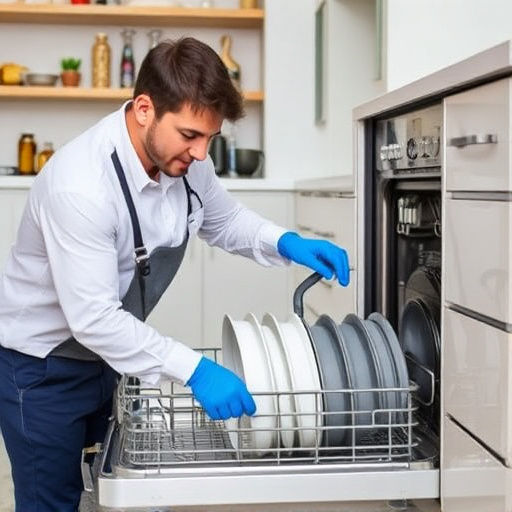
Proactive maintenance is key to preserving the lifespan of major appliances, especially in the unique environmental conditions of Texas. While heat, humidity, and hard water contribute to wear and tear across the board, dishwasher owners in Westlake and surrounding areas face a specific challenge. Dishwashers, designed to clean dishes efficiently, can struggle to perform at peak levels when these environmental factors are at play.
Dishwasher not cleaning naturally can be a frustrating issue, but it's one that's easily preventable. Hard water, common in this region, leaves behind mineral deposits that can clog spray arms and block the filtration system. Over time, this buildup reduces water pressure and hinders the dishwasher's ability to effectively clean dishes. High humidity, a constant in Texas's climate, can lead to mold and mildew growth inside the dishwasher, causing unpleasant odors and potential damage to internal components.
An experienced Austin appliance repair team recommends a multi-pronged approach to combat these issues. Regular cleaning and maintenance are important. Owners should schedule periodic deep cleans using specialized dishwasher cleaners to remove hard water deposits. Running empty cycles with vinegar or a specialized cleaning tablet can help clear out any remaining residue. Preventive measures, such as installing a water softener or using water filters, can significantly reduce the impact of hard water.
Beyond maintenance, understanding the signs of a struggling dishwasher is essential. Unusually long wash cycles, poor cleaning performance, or unusual noises are red flags. Addressing these issues promptly can prevent more severe problems down the line. A simple loose hose connection might be causing water wastage, while a faulty spray arm might require replacement. Regular checks and prompt attention to these indicators ensure your dishwasher operates efficiently, extending its lifespan and saving you from costly repairs.
Frequently Asked Questions About a look at how Texas heat, humidity and hard water wear out appliances
What causes appliances to break down faster in Texas?
The harsh environmental conditions in Texas, including extreme heat, high humidity, and hard water, create a challenging environment for appliances. Heat can accelerate the degradation of electronic components, while humidity fosters mold growth and corrosion. Hard water, rich in minerals, can cause internal scaling and buildup, reducing appliance efficiency and lifespan. These factors often work in tandem, leading to premature appliance failure. Regular maintenance and choosing appliances designed for these conditions can mitigate these issues.
How does humidity affect appliances in Austin?
High humidity levels in Austin, especially during the summer, contribute to mold and mildew growth inside appliances, particularly in refrigerators and dishwashers. This can lead to poor performance, unpleasant odors, and, in extreme cases, structural damage. Regular cleaning and maintaining proper ventilation are important to combating humidity-related issues.
Are some appliances better suited for the Texas climate?
Absolutely. When selecting appliances for the Texas climate, consider models designed for high-humidity environments, which often include improved sealing and ventilation systems. Energy-efficient appliances can also be a good choice, as they may be more resilient to extreme heat and may reduce utility costs associated with cooling.
How can hard water damage appliances?
Hard water, high in calcium and magnesium, can lead to scaling inside appliances, especially water heaters, dishwashers, and washing machines. This buildup reduces water flow, lowers efficiency, and can cause appliances to malfunction or fail prematurely. Regular descaling and using water softeners can help mitigate these effects.
What role does regular maintenance play in prolonging appliance life?
Regular maintenance, including cleaning, inspections, and routine checks, is important for identifying potential issues early. This proactive approach can help prevent major breakdowns, save on costly repairs, and extend the lifespan of appliances. Many appliance manufacturers recommend scheduled maintenance to ensure best performance in challenging environments like Texas.
In the challenging environment of Austin's Texas heat, humidity, and hard water, understanding how these factors contribute to appliance wear is important. Hard water, in particular, can wreak havoc on dishwashers, leading to inefficient cleaning, as evidenced by the common issue of a dishwasher not cleaning naturally. Proactive maintenance is key to mitigating these issues. Regular cleaning, including removing mineral buildup, and utilizing specific dishwasher cleaners can extend the life of your appliance. Addressing humidity concerns, such as ensuring proper ventilation, can prevent early failure. By implementing these measures, homeowners can significantly improve appliance longevity, saving money and time in the long run. This practical knowledge equips Austin residents to make informed decisions, choose the right repair services, and maintain their appliances effectively.
Texas' climate—hot, humid, and hard water—accelerates appliance wear, leading to frequent failures, especially in dishwashers. High humidity fosters mold and bacterial growth, while hard water causes mineral buildup, obstructing water flow and preventing thorough cleaning. Regular maintenance, including filter cleaning and deep washes, mitigates these issues but can't fully prevent premature failures. Homeowners should expect shorter dishwasher lifespans and consult experts for troubleshooting and repairs. Proactive measures, like water softeners, extend lifespan, ensuring efficient, effective dishwashing performance.