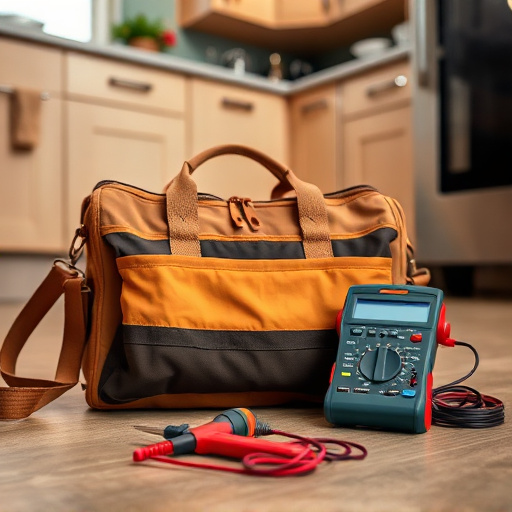
In Austin homes, appliance breakdowns are a common challenge, with washers, dryers, dishwashers, and ovens often leading the list. Whether it's a washer that won't drain, a dryer that takes too long to heat, or a dishwasher leaking water, these issues can disrupt daily routines and increase energy costs. Understanding basic troubleshooting and knowing when to call in a professional, like Austin Appliance Masters, is crucial. This guide offers practical advice for common repairs, demystifies appliance maintenance, and equips homeowners with the knowledge to extend appliance lifespan. From identifying signs of failure to choosing the right repair service, we provide a comprehensive roadmap to navigate the world of household appliance repairs in Austin.
- Identifying Common Appliance Issues in Austin Homes
- Step-by-Step Guide: Repairing a Leaking Dishwasher
- Maintenance Tips to Prevent Future Appliance Repairs
Identifying Common Appliance Issues in Austin Homes
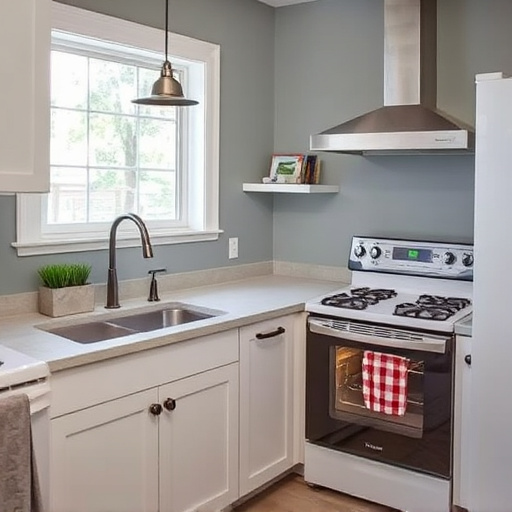
Identifying Common Appliance Issues in Austin Homes
In Austin, homeowners often face appliance challenges, from a washer that won't drain to a dryer that takes too long to heat up. Understanding these common issues is the first step in effective troubleshooting. One of the most frustrating problems many Austin residents encounter is a dishwasher leaking-it can be a simple fix or a sign of a deeper problem, such as a faulty valve or a blocked drain. A leaking dishwasher may cause water damage to cabinets and flooring if left unaddressed.
Oven and range appliances, critical for meal preparation, can also present issues. An oven not heating could be due to a faulty heating element or a malfunctioning thermostat, while a range burner that won't light may require adjustments to the gas line pressure or a replacement part. In Rollingwood, as in other parts of Austin, appliance repair technicians from reputable services like Austin Appliance Masters are often called upon to diagnose and fix these problems.
Beyond specific appliances, homeowners should be aware of potential environmental factors affecting appliance performance. In Texas, hard water can contribute to faster degradation of appliances, leading to increased maintenance and repair needs. Power outages, common during severe weather, can also cause issues, with appliances needing reset or repair after the power is restored. To mitigate these challenges, regular maintenance and prompt attention to warning signs-such as unusual noises, increased energy consumption, or reduced performance-are crucial.
Step-by-Step Guide: Repairing a Leaking Dishwasher
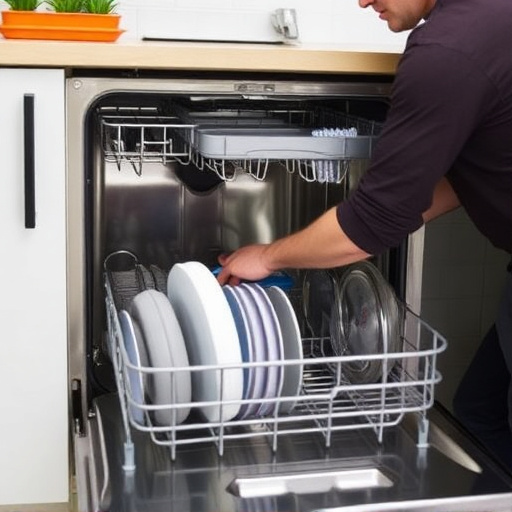
Dealing with a leaking dishwasher can be a frustrating experience, but many common issues can be resolved with some basic troubleshooting and DIY skills. Before calling a professional, consider these steps to identify and fix the problem. A local Austin appliance repair company recommends starting with a thorough inspection, as many leaks are caused by simple, easily fixed issues.
Identify the Source of the Leak
Begin by turning off the water supply to your dishwasher. Check for obvious signs of damage, such as cracked or loose pipes, and inspect the dishwasher's drain hose for kinks or debris. A common cause of leaks is a worn-out or damaged hose, especially in older models. If you notice any damage, replace the hose with a new one compatible with your dishwasher. In many cases, a simple cleaning or replacement of a part can stop the leak.
If the leak is coming from the door seal, you may need to replace it. This part is often a rubber gasket that seals the door to prevent water from escaping. A professional technician can help you determine if this is the issue and provide a suitable replacement. In some cases, a simple re-sealing or lubricating the door mechanism can fix the problem.
Testing and Replacing Parts
If the initial inspection doesn't reveal any obvious issues, it's time to examine deeper. One common cause of leaks is a faulty pump or a blocked drain. Check the pump filter for any debris and clean or replace it as needed. Inspect the drain pump and its associated parts, as they can also become worn out over time.
In Westlake or Bee Cave, where the climate and water quality can affect major appliances, regular maintenance is key. A reputable appliance repair service may recommend periodic testing and part replacement to prevent leaks and other issues. Keep records of maintenance and repair work, as this can help you track the appliance's overall condition and lifespan.
Seeking Professional Assistance
For more complex issues, it's best to consult a professional. A reputable repair service will have the tools and expertise to diagnose and fix the problem. They can also provide guidance on the appliance's overall condition and potential future issues. Remember, while some dishwasher repairs can be done as DIY projects, complex electrical or mechanical work is best left to the experts.
Maintenance Tips to Prevent Future Appliance Repairs
Preventing future appliance repairs through regular maintenance is a smart, cost-effective strategy for homeowners in Bee Cave and beyond. Regular cleaning and care can head off common issues like a dishwasher leaking. A leak can be a sign of a worn pump, loose seal, or blocked pipes, all of which can be avoided with proper care. Forget the "set it and forget it" approach; schedule routine maintenance for your dishwasher, including cleaning the filter and spray arms. This simple step can extend the life of your dishwasher by preventing food debris buildup that could cause clogs and leaks.
An Austin appliance repair technician recommends checking for leaks not just during use, but also when the dishwasher is idle. Look for moisture around the dishwasher's base or any signs of water damage. These visual checks can catch potential problems early. Similarly, inspect your washing machine for any signs of wear, such as excessive vibration or unusual noises, which could indicate a failing motor or drum. Regularly cleaning the lint filter in your dryer and ensuring proper ventilation can prevent buildup that leads to overheating and potential fires.
Beyond these specific appliances, general maintenance practices like flushing water heaters and checking for gas line leaks (using a detector, not a professional's expertise) can head off costly repairs. Keeping your appliances clean and well-maintained not only prevents leaks but also ensures they operate efficiently, saving you money on your utility bills. Regular attention to these details can extend the lifespan of your appliances, delaying the need for costly repairs or premature replacements.
Frequently Asked Questions About a practical guide to common household appliance repairs in Austin homes
What are the most common household appliance issues in Austin homes? From freezing or leaking refrigerators to a washing machine that won't drain, common issues vary by climate and usage. In Austin, extreme heat can lead to freezer burn and water damage, while high humidity might accelerate rust in metal appliances. Electric ranges and ovens often face issues like poor heating elements, while dishwashers may struggle with inadequate drainage due to hard water.
How do I know if I should repair or replace an appliance? While replacement might seem easier, repairing can extend the appliance's lifespan. Consider the appliance's age, the cost of parts and labor, and the estimated lifespan after repair. A simple fix like replacing a fuse or a control board can be more cost-effective than replacing an entire appliance, especially for older models still under warranty.
Who should I call for appliance repair in Austin? Austin Appliance Masters is a local, experienced team specializing in common household appliance repairs. They offer same-day service, competitive pricing, and warranty on labor and parts.
How long does it typically take to repair a major appliance? Most installations take one to two days, depending on the appliance and complexity of the repair. A refrigerator repair might require ordering a part, so plan accordingly to avoid inconvenience.
Are there any safety precautions I should take before attempting basic appliance repairs? Always power down and unplug the appliance before beginning any repair. Never work with live electricity. For gas appliances, ensure the gas supply is shut off at the valve before disassembling. Keep children and pets away from the work area and wear safety gear, like gloves, when handling sharp objects or chemicals.
Can I save money by doing minor repairs myself? While some minor repairs, like replacing a fuse or cleaning a drain, are DIY-friendly, more complex issues require professional skills and tools. Attempting a repair without proper knowledge can void warranties and lead to further damage, ultimately costing more.
What documentation should I keep after getting an appliance repair? Keep a record of all repair work, including dates, parts replaced, labor costs, and any warranty information. This documentation can be helpful for future reference and when comparing quotes from different repair services.
Understanding common household appliance issues, like a leaking dishwasher, is the first step towards efficient maintenance and repair. This article has equipped Austin homeowners with practical knowledge and actionable steps to tackle everyday challenges. By learning to identify issues, such as a dishwasher that won't drain, and implementing simple troubleshooting techniques, residents can extend the lifespan of their appliances. The guide emphasizes the importance of regular maintenance, which can prevent costly repairs and prolong the life of appliances, especially in the Austin climate.
Next steps include creating an appliance maintenance checklist, addressing any signs of appliance failure, and considering same-day repair services for urgent issues like a dryer vent blockage or a microwave malfunction. Being aware of the availability and wait times for parts, and understanding appliance warranties, empowers homeowners to make informed decisions.
This guide offers a comprehensive toolkit for managing and repairing household appliances, ensuring that Austin homes remain comfortable and efficient while saving money and promoting environmental sustainability by reducing unnecessary replacements.
In Austin homes, common appliance issues include a leaking dishwasher (from simple fixes like a worn hose to complex problems like faulty pumps), oven/range malfunctions (often due to heating elements or gas line pressure), and power outage-related problems. Regular maintenance, prompt attention to warning signs, and early leak detection are crucial for mitigation.
For dishwasher leaks, start with a thorough inspection, checking for damage, kinks in the drain hose, and worn-out parts like the pump or door seal. Regular cleaning and maintenance, like cleaning the filter and spray arms, can prevent leaks.
Preventive measures for all appliances include visual checks for water damage, excessive vibration, or unusual noises, as well as periodic flushing and gas line leak checks. Regular maintenance extends appliance lifespans, saving money on repairs and utility bills.
If issues persist, consult a reputable local appliance repair service like Austin Appliance Masters for professional diagnosis and repair.