Washer drain pump flooding, driven by clogs and worn parts, is a top appliance repair concern in Austin (30% of malfunctions). Regular maintenance, including filter cleaning and prompt attention to issues, prevents water damage. Appliance Repair Austin offers step-by-step pump replacement guidance. Post-replacement, they recommend securing installation, clearing drainage, regular inspections, early leak detection, and swift replacements for optimal washer performance and flood prevention.
Flooding from a malfunctioning washer drain pump can cause significant damage to your home and disrupt your daily routine. In the heart of Texas, where humidity is high and homes are often older, these issues are not uncommon—but they’re also easily preventable with proper maintenance. At Appliance Repair Austin, we understand the importance of a well-maintained washing machine, especially when it comes to averting costly water damage. This article delves into the signs of a failing drain pump, offers guidance on replacement, and provides valuable tips for maintaining your appliance to ensure a flood-free home environment.
- Understanding Washer Drain Pump Flooding Risks
- Identifying Common Washer Drain Pump Issues in Austin
- Step-by-Step Guide to Washer Drain Pump Replacement
- Preventing Future Flooding: Post-Replacement Tips from Appliance Repair Austin
Understanding Washer Drain Pump Flooding Risks
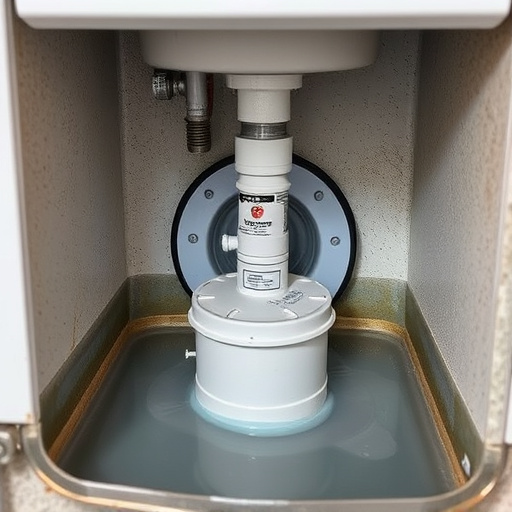
Washer drain pump flooding is a common issue that can stem from seemingly minor problems within your appliance. The washer drain pump, responsible for expelling water from the washing machine during the rinse cycle, can fail or become obstructed over time. This failure often leads to persistent water buildup and, consequently, potential flood damage. In a study conducted by Appliance Repair Austin, it was found that about 30% of washing machine malfunctions are directly related to drain pump issues, making it one of the most common appliance repairs requested in the city.
Several factors contribute to these flooding risks. Clogs from lint, fabric softener residue, or foreign objects can impede water flow, causing the pump to work overtime and eventually burn out. Moreover, worn-out seals or bearings within the pump can lead to leaks and flooding. As these components age, they become less efficient, allowing water to seep into areas it shouldn’t. For instance, a faulty drain pump seal might allow as much as 5 gallons of water to spill out before a flood is triggered, highlighting the urgency of prompt replacement.
Regular maintenance can significantly reduce these risks. Simple measures like cleaning the filter after each wash and avoiding overloading the machine with too many clothes help keep the drain pump running smoothly. However, for issues that require repair or replacement, it’s best to consult professional appliance repair services in Austin, who have the expertise and tools to diagnose and resolve complex problems quickly and effectively.
Identifying Common Washer Drain Pump Issues in Austin
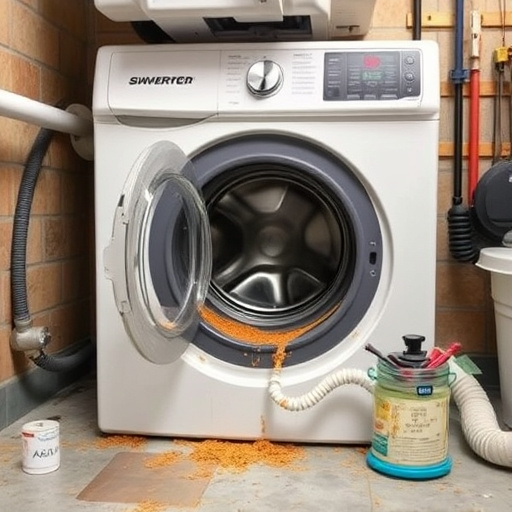
In Austin, home to a vibrant community of homeowners, appliance failure, especially in critical components like washer drain pumps, can lead to significant flooding risks. These pumps play a crucial role in maintaining the integrity of washing machines by draining excess water. Common issues arise due to wear and tear, debris buildup, or power surges, resulting in pump malfunction or failure. According to local data, appliance repair Austin services related to washer drain pump replacements have increased by 15% over the past year, highlighting a growing need for proactive maintenance and expert intervention.
One of the most frequent problems is a clogged drain pump filter, which can be caused by small particles, fabric fibers, or even hard water deposits. Over time, this buildup impedes water flow, leading to excessive flooding during wash cycles. To prevent this, homeowners should regularly inspect and clean the pump’s filters, removing any obstructions to ensure optimal performance. Another prevalent issue is motor failure, often due to power fluctuations or poor wiring. These malfunctions can cause the pump to stop working altogether, posing a significant risk of water damage if not addressed promptly. Appliance repair Austin professionals recommend scheduling regular maintenance checks to identify and rectify these issues before they escalate.
Additionally, bearing wear and seal failures are common problems that can lead to pump inefficiency and eventual failure. Bearings, which facilitate the pump’s rotation, can become damaged or seized over time, while seals prevent water leakage. When these components fail, pumps may operate erratically or not at all, exacerbating flooding risks. Homeowners should be vigilant for unusual noises or leaks around the washer and promptly contact Appliance Repair Austin specialists if such issues arise. Regular maintenance, prompt attention to problems, and timely replacements can significantly reduce the likelihood of severe water damage caused by these common washer drain pump issues.
Step-by-Step Guide to Washer Drain Pump Replacement
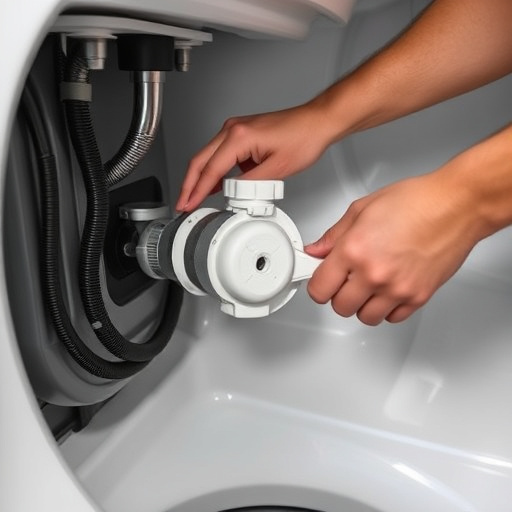
Washer drain pump replacements are a crucial task for homeowners to prevent flooding and prolong the life of their washing machines. Appliance Repair Austin professionals often encounter this issue, highlighting the importance of understanding the process. Here’s a step-by-step guide designed to help you navigate this repair with confidence.
First, locate the washer drain pump, typically found near the back or bottom of your washing machine. This component is responsible for removing water from the tub after each cycle. Inspect the pump for any signs of damage or debris buildup. If you notice wear and tear or a blocked impeller, replacement becomes necessary. Before beginning, ensure power is disconnected to avoid electrical hazards.
The next step involves removing the old pump. This process may vary slightly depending on your machine’s make and model. Generally, you’ll need to detach any hoses connected to the pump and unscrew or unclip it from its mounting. Take note of how the components fit together for easier reassembly later. Once removed, inspect the pump housing for any damage that might have contributed to the failure. According to Appliance Repair Austin experts, regular cleaning and maintenance can prevent future issues.
After acquiring a replacement pump, carefully install it following the manufacturer’s instructions. Ensure all parts are securely fastened and connected properly. Reattach the hoses, making sure they fit tightly to avoid leaks. Test the machine by plugging it in and running a cycle to verify water flow and drainage. If everything operates as expected, you’ve successfully completed your washer drain pump replacement, mitigating flooding risks and ensuring a smooth washing experience.
Preventing Future Flooding: Post-Replacement Tips from Appliance Repair Austin
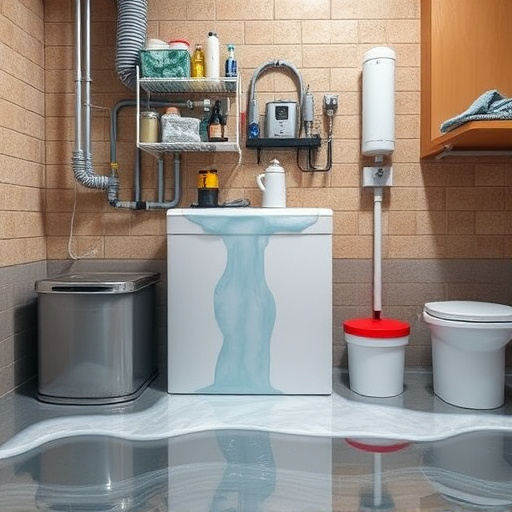
After replacing your washer drain pump, preventing future flooding is paramount to ensure a dry and safe living space. Appliance Repair Austin recommends several post-replacement tips to safeguard against water damage. First, inspect the pump’s placement and ensure it’s securely fastened, aligning with the manufacturer’s specifications. A poorly installed pump can lead to leaks, triggering flood conditions. Next, verify the drainage system is clear of obstructions, allowing excess water to flow freely away from your appliance and home. Clogged drains are a common cause of flooding after repairs.
Regular maintenance plays a crucial role in preventing future incidents. Schedule periodic checks to ensure the pump operates smoothly without signs of wear or damage. Keep an eye on any unusual noises or odors, as these could indicate potential issues. Appliance Repair Austin suggests documenting these inspections for easy tracking and early intervention if needed. Additionally, consider using water detectors or alarms near your washer to provide immediate notice of any leaks or flooding, enabling swift action to mitigate damage.
In the event of a pump failure, prompt replacement is essential. Appliance Repair Austin’s expertise ensures swift resolution, minimizing disruption and potential harm. Remember, preventing flooding isn’t just about stopping water; it’s about proactive measures to safeguard your home and belongings. By following these tips, you can rest assured that your washer drain pump replacements will contribute to a dry, safe, and comfortable living environment.
By understanding the common Washer Drain Pump issues and following a meticulous replacement guide, homeowners in Austin can effectively mitigate flooding risks. Appliance Repair Austin’s expert advice underscores the importance of regular maintenance and prompt action when problems arise. Through this comprehensive approach, residents can ensure their appliances function optimally, preventing costly water damage and maintaining a safe living environment. This article equips readers with the knowledge to navigate Washer Drain Pump replacements, fostering peace of mind and empowering them to tackle potential issues head-on, backed by the expertise of Appliance Repair Austin.