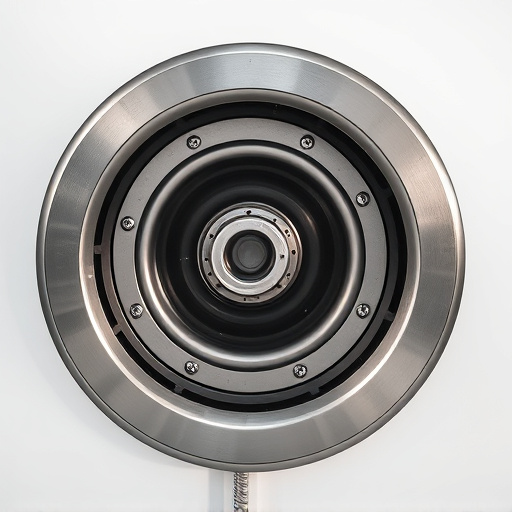
Loud spin cycles in washers often signal worn drum bearings, a common issue addressed by Appliance Repair Austin professionals. Replacing these bearings involves disassembly and installation, which homeowners with DIY skills can typically manage. Regular maintenance, including inspections, prevents breakdowns, prolongs lifespan, and enhances cleaning performance. Prompt attention to unusual noises or vibrations during rinse/spin phases is crucial for avoiding damage. Following replacement, maintain the washer drum bearing's longevity through thorough cleaning, regular inspection, proper lubrication, balanced loading, and periodic deep cleaning cycles.
Loud spin cycles during washer operations can disrupt household tranquility and indicate worn drum bearing replacements. In Austin, where Appliance Repair Austin is renowned for its expertise, addressing these issues is paramount for ensuring efficient and quiet washing machine performance. This article delves into the intricacies of identifying and replacing washer drum bearings, offering practical insights tailored to the unique challenges faced by Austin residents. By understanding this critical component’s role, homeowners can extend the lifespan of their appliances and restore peaceful domestic environments.
- Understanding Loud Spin Cycles in Washers
- Diagnosing Bearing Issues in Appliance Repair Austin
- Identifying Signs of Worn Drum Bearings
- Preparing for Washer Drum Bearing Replacement
- Step-by-Step Guide to Replacing Washer Parts
- Ensuring Longevity: Post-Replacement Care Tips
Understanding Loud Spin Cycles in Washers
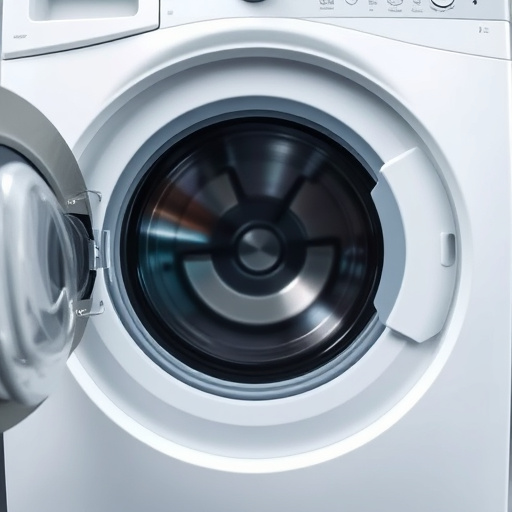
Loud spin cycles in washers are a common complaint among Austin homeowners, often manifesting as banging noises or ear-splitting squeals during the rinse or spin phase of a wash cycle. These unsettling sounds can be caused by several factors, but one of the most prevalent and addressable is a worn or damaged drum bearing. The drum bearing, located at the base of the washer’s spinning drum, supports the weight of the rotating tub and ensures smooth rotation. Over time, these bearings can become excessively worn, leading to excessive play and friction, which in turn generates the loud spin cycle noises.
Appliance Repair Austin professionals have found that replacing a faulty drum bearing is one of the most effective solutions for eliminating these disruptive sounds. This relatively straightforward repair involves disconnecting the washer from its power source, accessing the damaged bearing, and installing a new one. While some models may require more intricate disassembly, many modern washers have been designed with serviceability in mind, making the process less daunting than it might seem. Homeowners with even basic DIY skills can often complete this repair, saving them the cost of professional intervention.
However, addressing loud spin cycles is not merely about fixing a noisy appliance; it’s also about prolonging its lifespan and ensuring optimal cleaning performance. A well-maintained washer, with properly functioning drum bearings, is less likely to suffer from other common issues such as uneven water distribution or poor soil removal. Regular maintenance checks, including inspecting drum bearings for wear, can help Austin residents avoid costly breakdowns and keep their washers humming smoothly along for years to come.
Diagnosing Bearing Issues in Appliance Repair Austin
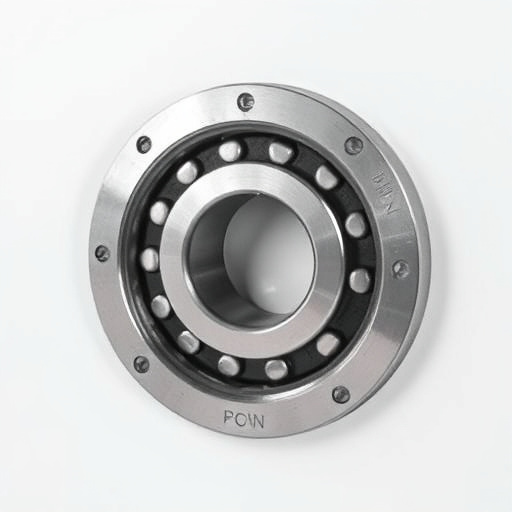
Loud spin cycles during washer operation are often a clear indicator of bearing issues within your appliance. In Appliance Repair Austin, these problems are common, with many residents noticing a significant increase in noise coming from their washing machines as the drum bearings wear out over time. Diagnosing these bearing issues is crucial to eliminating excessive noise and ensuring your washer functions optimally. The key to successful diagnosis lies in understanding the specific sounds and patterns associated with different bearing failures.
One of the most common symptoms is a high-pitched squealing or whining noise during spin cycle, suggesting that one or both bearings are worn out. As the bearing loses its integrity, it can no longer smoothly rotate the drum, leading to friction and resulting in these audible signals. In some cases, you might also observe the machine shaking excessively or feeling unbalanced during operation. These vibrations are often more pronounced at higher speeds, such as during a spin cycle. Over time, excessive noise and vibration can indicate bearing damage, which, if left unattended, may cause further complications like drum lockups or even motor failure.
To accurately diagnose bearing issues in Appliance Repair Austin, homeowners should pay close attention to the nature and timing of these noises. Regular maintenance checks, including periodic inspection of bearings for wear and tear, can help catch potential problems early. If unusual sounds persist, consulting a professional repair service is recommended. Expert technicians employ specialized tools to identify bearing faults and provide effective solutions, ensuring your washer continues to operate quietly and efficiently.
Identifying Signs of Worn Drum Bearings
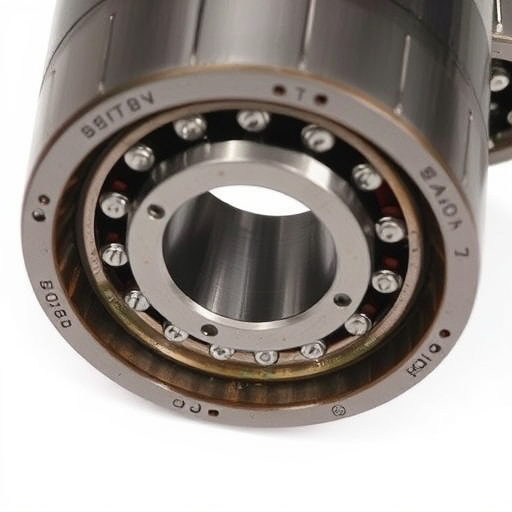
In many homes, washing machines are a vital part of daily life, making it crucial to address any issues promptly. One common problem that can significantly impact your machine’s performance and cause undue noise is worn drum bearings. These bearings support the rotating drum in your washer and when they degrade, it often results in loud spin cycles, particularly during high-speed operations. If you’re noticing a grinding or squealing sound coming from your Austin washing machine, it could be an indication of deteriorating drum bearings.
Identifying these issues early on is key to preventing further damage. Here are some signs that point towards worn drum bearings: excessive vibration during the spin cycle, visible wear and tear on the bearing surfaces (such as cracks or pitting), and a notable increase in noise compared to when your machine was new. For instance, if you’ve noticed that your washer makes an unusual noise only during the rinse or spin phase, it’s advisable to have a professional Appliance Repair Austin service take a look.
Regular maintenance can help prolong the lifespan of your drum bearings, but even with careful care, they eventually wear out. When replacing them, ensure you use high-quality parts specifically designed for your machine model. In many cases, replacing worn bearings is a straightforward process, but given the potential risks of damaging other components, it’s often best left to experienced technicians.
Preparing for Washer Drum Bearing Replacement
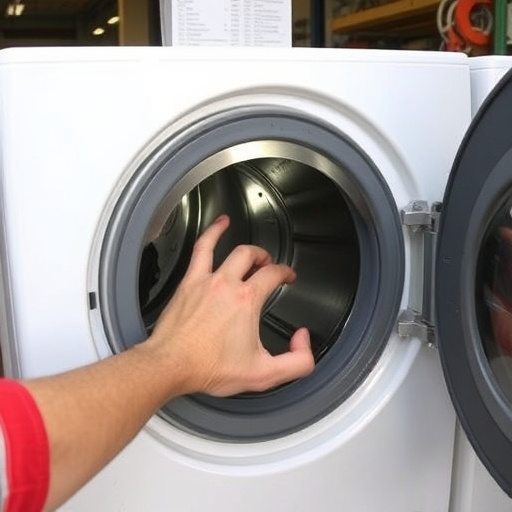
Eliminating loud spin cycles in your washing machine is often a straightforward process known as washer drum bearing replacement. This procedure is one of the most common appliance repairs Austin residents undertake to restore their machines to silent, efficient operation. The washer drum bearing, located at the base of the drum, serves as a crucial component enabling smooth rotation. Over time, this bearing can wear out, leading to excessive noise during spin cycles.
Before beginning the replacement process, proper preparation is essential. Ensure you have the necessary tools, including a socket wrench or ratchet set, pliers, and possibly a new bearing assembly kit. Safety should be paramount, so disconnect the power supply from the washing machine to avoid any accidents. It’s also wise to consult your machine’s user manual for specific instructions tailored to your model, as some machines may have unique features requiring consideration.
During preparation, take note of the current condition of the drum bearing and other related components. Inspect for signs of wear, damage, or excessive friction. This visual assessment will help guide your repair approach and ensure you install a compatible replacement part. Appliance Repair Austin professionals recommend keeping a well-stocked toolkit for such repairs, as prompt attention to these issues can prevent further damage and extend the lifespan of your washing machine.
Step-by-Step Guide to Replacing Washer Parts
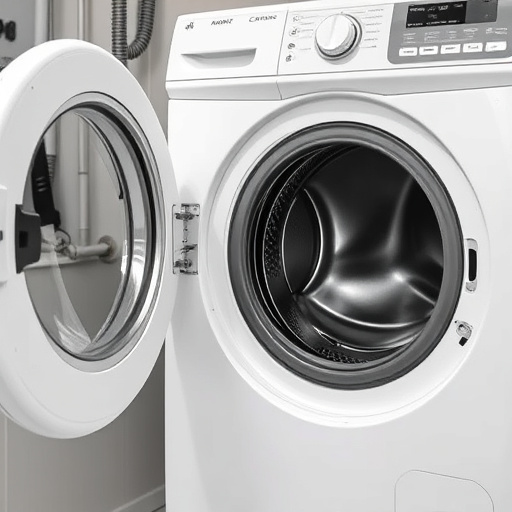
Replacing a washer drum bearing is an effective solution to eliminate the loud noise often associated with spin cycles. This common issue can disrupt your laundry routine and even signal a larger problem within your appliance. In many cases, Appliance Repair Austin professionals recommend replacing parts as a proactive measure to avoid more costly repairs down the line.
The process involves several precise steps that require careful attention. First, ensure the washer is unplugged from its power source for safety reasons. Next, access the drum bearing by moving the front load washing machine’s top or removing the back panel, depending on the model. Once exposed, carefully lift the old bearing out and inspect it for any damage. It’s crucial to have a replacement part that matches your specific washer model to ensure a secure fit.
After acquiring the correct drum bearing, install it by aligning the new bearing with the corresponding shaft or hub. Secure it firmly but avoid excessive force to prevent damage. Reassemble the washer by putting back the removed panels or top and plugging in the machine. Test the spin cycle post-reassembly to confirm the noise has been alleviated, indicating a successful repair. Regular maintenance, including timely part replacements, is key to extending the lifespan of your washing machine and avoiding potential water damage caused by persistent loud spinning.
Ensuring Longevity: Post-Replacement Care Tips

After successfully replacing your washer drum bearing in Austin, ensuring longevity of the new component is paramount. The following tips, tailored for Appliance Repair Austin clients, will help maintain your washer’s performance and extend its lifespan. Regular maintenance begins with thorough cleaning after each wash cycle to prevent lint buildup, which can lead to premature wear. Inspect the drum bearing for any signs of damage or unusual noises, as these could indicate a need for prompt replacement.
Proper lubrication is another critical aspect. Using a high-quality, appliance-specific lubricant, apply a thin coat to all moving parts, including the drum bearing. This reduces friction and excessive heat, common causes of premature failure. Remember, excess lubricant can attract dirt and debris, so be meticulous in applying only what’s necessary. Additionally, allow adequate drying time between washes to prevent any moisture buildup.
In terms of operation, avoid overloading your washer. Operating it at maximum capacity constantly can put unnecessary strain on the drum bearing. Ensure proper balance by distributing clothes evenly across the drum. Furthermore, periodic deep cleaning cycles with hot water and vinegar or a specialized cleaning agent help remove hard-to-see residue that could impact performance. By adhering to these post-replacement care tips, you’ll contribute to the longevity of your washer’s critical components, ensuring many more years of reliable service from your Appliance Repair Austin investment.
By understanding the causes of loud spin cycles in washers and mastering the diagnosis of bearing issues through Appliance Repair Austin’s expert insights, homeowners can effectively identify worn drum bearings. Through a strategic preparation process, following a detailed step-by-step guide for replacement, and adopting post-replacement care tips, individuals can extend their washer’s lifespan. This article equips readers with the knowledge to tackle washer drum bearing replacements head-on, ensuring quieter operations and continued reliable performance from their appliances.