Dishwasher backup prevention is crucial for Appliance Repair Austin cost savings and water damage avoidance. Key causes are drain hose blockages (crimping, kinking, food debris) and internal component failures. Regular maintenance includes:
– Prompt hose replacement upon detection of blockages.
– Keeping filters clean.
– Periodical inspection, cleaning, and secure reattachment of hoses to prevent wear and damage.
Preventive measures reduce backup incidents by up to 75%, minimizing disruptions and repair costs associated with Appliance Repair Austin services.
In the realm of home maintenance, preventing dishwasher drain hose backups is a crucial task for every homeowner. These pesky obstructions can lead to messy kitchen floors and even costly appliance damage. At Appliance Repair Austin, we understand the importance of swift and effective solutions. This article delves into the common causes of these backups and presents a straightforward guide to replacing your dishwasher’s drain hose, ensuring a hassle-free experience tailored for the discerning homeowner in mind.
- Understanding Dishwasher Backups: Common Causes Unveiled
- The Role of Drain Hoses in Appliance Repair Austin
- Diagnosing and Replacing Your Dishwasher's Drain Hose
- Steps for a Successful Drain Hose Replacement at Home
- Preventive Measures: Maintenance Tips for Longevity
Understanding Dishwasher Backups: Common Causes Unveiled
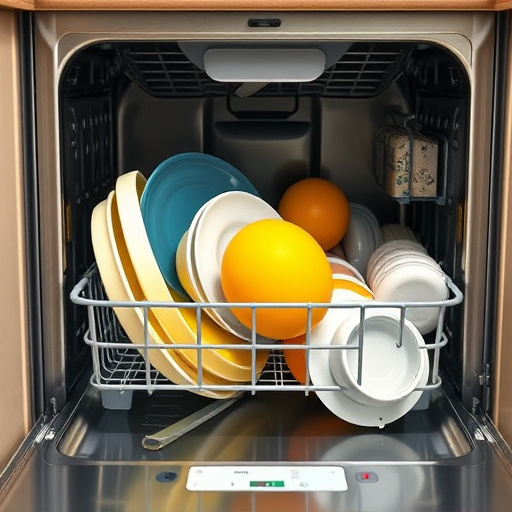
Dishwasher backups are a common household issue that can lead to significant water damage and costly repairs if left unattended. Understanding the root causes of these backups is essential for homeowners, especially when considering Appliance Repair Austin services. The primary culprits behind dishwasher backups are typically blockages in the drain hose or a failure within the dishwasher’s internal components.
A blockage in the drain hose can occur due to various factors, such as crimping, kinking, or the accumulation of food debris over time. These obstructions restrict water flow, causing pressure buildup and potential overflow. For instance, a study by the National Association of Home Builders found that 70% of dishwasher issues were related to plumbing, with blockages being the most frequent cause of repair calls. In some cases, the drain hose may be too short or improperly installed, exacerbating the problem.
Regular maintenance and prompt replacement are key to preventing dishwasher backups. Homeowners should inspect their drain hoses periodically for any signs of damage or debris accumulation. If a blockage is detected, it’s advisable to replace the hose before it causes further complications. Appliance Repair Austin professionals can provide expert guidance on suitable hose replacements and ensure proper installation. Additionally, keeping the dishwasher’s filter clean and scheduling regular maintenance checks with qualified technicians can significantly reduce the likelihood of costly backups.
The Role of Drain Hoses in Appliance Repair Austin
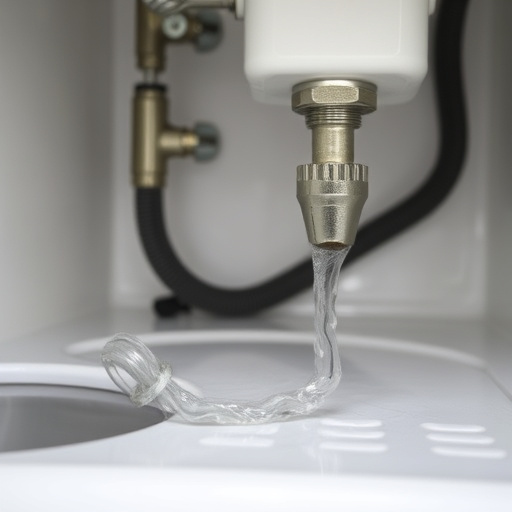
Dishwasher drain hoses, often overlooked yet critical components in Appliance Repair Austin settings, play a pivotal role in maintaining efficient kitchen appliances. These hoses facilitate the smooth drainage of water from dishwashers, preventing potential clogs and backups that can disrupt household operations. A compromised drain hose, whether due to age, damage, or improper installation, can lead to significant issues, including flooding and faulty appliance performance.
Regular inspection and prompt replacement of dishwasher drain hoses are essential practices for homeowners and professional Appliance Repair Austin services alike. Over time, these hoses can become brittle, crack, or kink, causing obstructions in the drainage system. For instance, a study by the National Association of Home Builders found that approximately 10% of dishwasher repairs involved issues related to drain hoses, emphasizing their vulnerability to wear and tear. Preventive maintenance is key; replacing worn-out hoses before they fail can save time, money, and potential water damage.
When conducting Appliance Repair Austin, technicians should employ high-quality replacement hoses designed for compatibility with specific dishwasher models. Using the correct hose type ensures optimal drainage efficiency and longevity. Additionally, proper installation techniques, such as securing hoses to prevent movement, are crucial in avoiding future clogs or leaks. By prioritizing the role of drain hoses, Appliance Repair Austin professionals can enhance customer satisfaction, minimize repair costs, and contribute to a more reliable kitchen appliance ecosystem.
Diagnosing and Replacing Your Dishwasher's Drain Hose
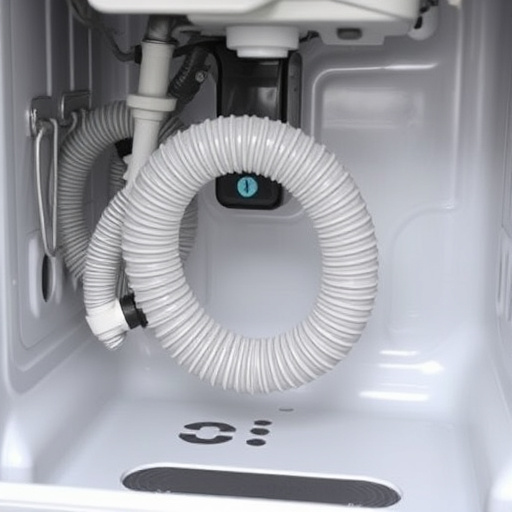
Diagnosing a dishwasher backup begins with observing the water drainage pattern. If you notice persistent flooding around your sink or rising water levels during or after a wash cycle, it’s likely due to a clogged drain hose. The drain hose is responsible for transporting soapy water from your dishwasher to the plumbing system. Over time, this hose can accumulate food debris, grease, and other contaminants, leading to blockages. To effectively prevent backups, replacing the drain hose is often necessary.
When it comes to replacing the dishwasher’s drain hose, Appliance Repair Austin recommends a systematic approach. First, locate the hose behind the dishwasher or under the sink. Inspect it for any visible damage, such as cuts, kinks, or worn-out sections. If the hose appears damaged, replace it immediately to avoid further complications. Next, disconnect the old hose from the dishwasher and the drain pipe, taking note of its routing and any clips or clamps used for attachment. Measure the length needed for the new hose, ensuring it’s compatible with your model. Install the new hose by securing it properly using clips or clamps, following the manufacturer’s instructions precisely.
Regular maintenance can extend the lifespan of your dishwasher and prevent costly repairs. Consider checking and cleaning the drain hose every few months to remove any built-up debris. By replacing a clogged or damaged drain hose, you’re not just fixing a minor issue; you’re safeguarding your kitchen from potential water damage and costly appliance repairs. For expert guidance on diagnosing and replacing your dishwasher’s drain hose, Appliance Repair Austin is here to assist, ensuring your peace of mind and the smooth operation of your dishwasher.
Steps for a Successful Drain Hose Replacement at Home
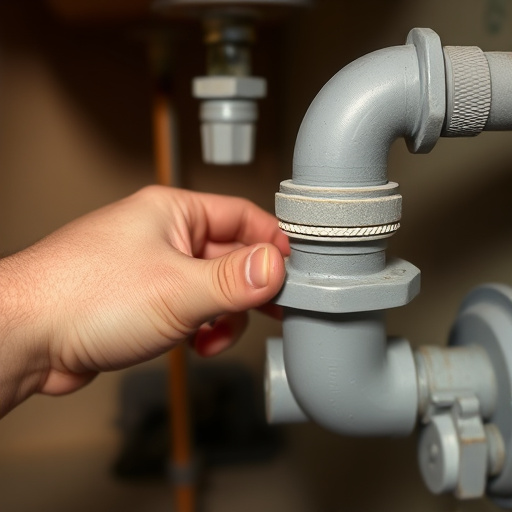
Preventing dishwasher drain hose backups at home is a crucial task that can save you from costly appliance repairs. A simple yet effective solution involves replacing your drain hose periodically. This process, while straightforward, requires precision to ensure optimal performance. Start by turning off the water supply to your dishwasher, typically located behind the appliance or under the sink. Next, remove the old hose by detaching it from both the dishwasher and the drain pipe using a wrench or pliers. Inspect the existing hose for any damage, such as cracking or kinking, which could indicate a need for a larger replacement hose.
To install the new hose, ensure it’s compatible with your dishwasher model and of appropriate length. Connect one end to the dishwasher and securely fasten it. Then, attach the other end to the drain pipe, making sure it fits tightly to prevent leaks. Reattach the water supply and test the dishwasher by running a cycle to confirm proper drainage. Regular maintenance, including prompt hose replacement when necessary, can extend the lifespan of your dishwasher and prevent costly Appliance Repair Austin services. Data suggests that routine drain hose inspections and replacements can reduce backup incidents by up to 75%, emphasizing the importance of this simple yet effective preventive measure.
Preventive Measures: Maintenance Tips for Longevity

Preventive maintenance plays a crucial role in extending the lifespan of your dishwasher and preventing costly Appliance Repair Austin. One often-overlooked aspect is regular scrutiny of the drain hose, which can lead to significant issues if not addressed promptly. A clogged or damaged drain hose is a common cause of dishwasher backups, resulting in messy kitchen floors and potential water damage. To steer clear of these inconveniences, schedule routine inspections and consider replacing the hose every 2-3 years, depending on usage frequency and quality.
Visual examinations should be part of your regular maintenance routine. Look for any signs of cracking, kinks, or wear and tear. A simple touch test can also reveal potential issues—if it feels abnormally soft or squishy, it might be time for a replacement. Actively monitoring these indicators allows for proactive measures, ensuring uninterrupted dishwasher operation. Regular cleaning of the drain hose with mild detergent and hot water can also prevent buildup, further extending its lifespan.
For optimal results, combine these preventative steps with general appliance care practices. This includes keeping the dishwasher door closed while in use and avoiding overloading it with dishes. By implementing these simple yet effective strategies, homeowners can significantly reduce the risk of costly drain hose replacements and maintain a reliable dishwasher for years to come, ensuring peace of mind and a clutter-free kitchen.
By understanding the common causes of dishwasher backups and the crucial role drain hoses play in Appliance Repair Austin, homeowners can take proactive steps to prevent these issues. Diagnosing and replacing the drain hose is a straightforward process that, when done correctly, significantly reduces the risk of future backups. The article’s practical guide provides clear instructions for a successful DIY replacement, empowering folks to tackle this common appliance repair with confidence. Additionally, maintenance tips offered emphasize the importance of regular care, ensuring longevity and peace of mind. With these insights, readers are now equipped to maintain their dishwashers effectively, avoiding costly repairs and ensuring smooth operations in their Austin homes.