Water line freezes in ice makers are common during cold winters, causing blockages, reduced ice output, and unusual noises. Preventive measures include inspecting tubing for damage, maintaining water pressure (40-60 PSI), insulating exposed lines with heating tape, and using temperature-controlled outlets. For frozen lines, shut off water supply, thaw gently with a hair dryer or heat gun, drain excess water, and regularly inspect for debris. Complex issues require Appliance Repair Austin specialists for accurate diagnosis and effective repairs, extending the ice maker's lifespan.
Ice makers are a modern convenience that can turn into a frustrating headache when they malfunction, especially during freezing weather. A common issue arises from water line freezes, disrupting your supply of crisp, cold cubes. At Appliance Repair Austin, we understand the importance of an ice maker that works when you need it most. This article delves into the root causes of frozen water lines and provides proven solutions to get your ice maker humming again, ensuring you have access to refreshing ice all year round.
- Understanding Water Line Freeze Issues in Ice Makers
- Diagnosing the Problem: Common Signs of Freezing
- Appliance Repair Austin: Step-by-Step Fix Guide
- Preventative Measures to Avoid Future Freezes
- When to Call a Professional: Complex Ice Maker Repairs
Understanding Water Line Freeze Issues in Ice Makers
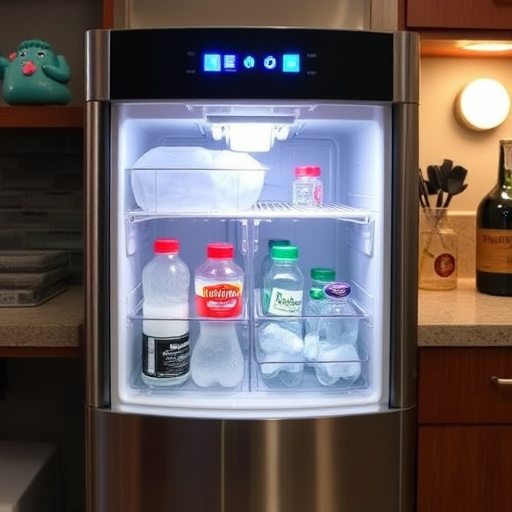
Ice makers, a common household appliance, can encounter various issues, with water line freeze being among the most persistent problems. Understanding this problem is crucial for effective appliance repair in Austin and beyond. Water line freeze occurs when the water supply to the ice maker freezes, disrupting its operation and potentially causing damage. This issue is particularly prevalent in regions with cold winters where water lines are susceptible to freezing temperatures.
The primary cause of water line freeze lies in the ice maker’s design, which often includes a small, exposed water line that delivers water to the evaporator coils for cooling. When ambient temperatures drop below freezing, this exposed line is vulnerable to freezing, leading to a blockage and subsequent ice buildup. As ice accumulates, it can insulate the line, preventing heat from reaching the frozen area and causing further freezing. This cascade effect can ultimately result in the ice maker ceasing to function altogether.
To address water line freeze issues, Appliance Repair Austin professionals recommend several proactive measures. Regularly isolating the water supply to the ice maker during cold spells is an effective strategy. Many models have a dedicated shut-off valve for this purpose. Additionally, insulating exposed water lines with heating tape or special insulation can prevent freezing. It’s important to note that prompt action is key; identifying and addressing the issue early can save time, money, and potential damage to the appliance.
Diagnosing the Problem: Common Signs of Freezing

When your ice maker stops producing ice or experiences disruptions, a frozen water line is often the culprit. Diagnosing this issue accurately is key to effective repairs. Common signs of freezing include reduced or stopped ice production, unusual noise from the machine, and visible ice buildup on the freezer walls or ice maker bucket. For instance, if your Appliance Repair Austin ice maker has been making only a few cubes or none at all for an extended period, it’s likely due to a frozen water line.
Furthermore, strange noises like clicking, clanking, or grinding sounds originating from the ice maker or its surrounding area can indicate freezing. These sounds often occur when the ice maker tries to operate but encounters resistance caused by ice accumulation. Another critical indicator is visible ice on the freezer walls or the ice bucket, which blocks water flow and disrupts the icemaking process. Data from appliance repair services in Austin shows that these issues are prevalent during colder months when outdoor temperatures drop below freezing.
To diagnose accurately, homeowners should inspect the water line for any signs of ice. Checking if water is flowing through the line is also essential; a simple way to do this is by running a faucet at another sink or appliance connected to the same water source. If water flows from other fixtures but not the ice maker, it’s likely frozen in the line. Once identified, these issues can be addressed by thawing the line, ensuring proper insulation, and scheduling professional Appliance Repair Austin services for comprehensive fixes.
Appliance Repair Austin: Step-by-Step Fix Guide
Freezing water lines in your ice maker can cause significant disruptions to your daily routine. Appliance Repair Austin offers a detailed step-by-step guide to help homeowners tackle this common issue. Understanding the underlying causes is key; frozen lines often result from low water pressure, inadequate insulation, or exposure to cold temperatures. By following these steps, you can effectively prevent and resolve the problem.
First, locate the water supply to your ice maker—typically near the refrigerator or freezer. Inspect for any visible damage or leaks in the tubing. If issues are identified, replace the damaged parts immediately to avoid further complications. Next, check the water pressure; low pressure can lead to freezing. A simple pressure gauge test can determine if the pressure is within the recommended range (between 40-60 PSI). Insulating exposed lines with heating tape or special insulation kits is another preventive measure.
In case of frozen lines, a thorough cleaning and thawing process is required. Begin by shutting off the water supply to prevent any potential flooding. Then, use a hair dryer or heat gun to gently apply heat along the line, starting from the end closest to the water source. As ice melts, allow excess water to drain. After thawing, check for leaks and ensure proper water flow before reactivating the supply. Regular maintenance, including inspecting lines for debris and ensuring adequate insulation, can help prevent future freeze-ups. Appliance Repair Austin recommends scheduling regular checks during extreme weather conditions to keep your ice maker running smoothly all year round.
Preventative Measures to Avoid Future Freezes

Preventing water line freezes in your ice maker is a crucial step towards ensuring consistent access to crisp, cold ice and avoiding costly Appliance Repair Austin. The primary cause of these disruptions is temperature fluctuations, especially during colder months. To ward off future freezes, start by understanding the vulnerabilities. Water lines within ice makers are often thin and exposed, making them susceptible to freezing when temperatures drop below 32°F (0°C). Insulation plays a minimal role in protecting these lines, as the primary concern is maintaining a consistent flow of warm air around them.
A proactive approach involves several actionable steps. First, insulate exposed water pipes leading to and from your ice maker to prevent rapid temperature changes. Use high-quality pipe insulation with an R-value suitable for sub-freezing temperatures. Additionally, keep the area around your ice maker clear of obstructions that could restrict warm air flow. Ensure proper ventilation behind and beneath the appliance to foster a constant heat exchange. Regularly inspect and clean the condensate drain to prevent any blockages that could disrupt the cooling process.
For optimal protection, consider integrating a water line heater or a temperature-controlled outlet near your ice maker. These devices keep the water lines warm, even during power outages. Remember, preventive maintenance is key; by taking these measures, you significantly reduce the likelihood of ice maker freezes and prolong the life of your appliance. Appliance Repair Austin professionals often recommend these strategies to their clients as an effective, long-term solution.
When to Call a Professional: Complex Ice Maker Repairs
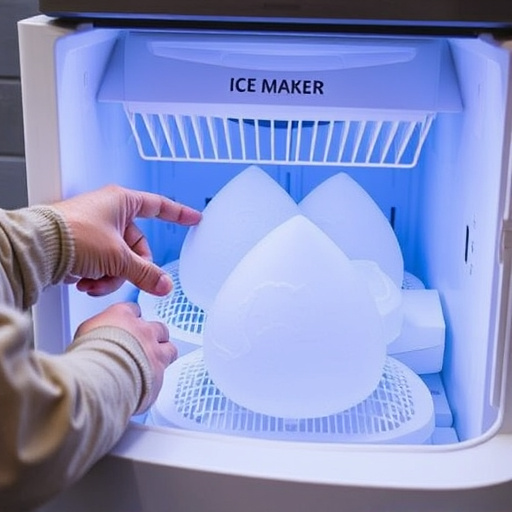
When your ice maker encounters complex issues, such as persistent water line freeze problems, it’s time to consider professional intervention. While basic troubleshooting steps like checking for power supply or water flow obstructions might resolve minor glitches, more intricate repairs often demand specialized knowledge and tools. Appliance Repair Austin specialists are equipped with the expertise needed to diagnose and fix these challenges effectively.
Complex ice maker repairs encompass a range of issues that go beyond surface-level problems. For instance, a frozen water line could be caused by faulty insulation, improper drainage, or outdated components. These issues require meticulous analysis and precise techniques to address. A professional technician will employ advanced diagnostic tools and methods to pinpoint the exact cause, ensuring an accurate fix.
In some cases, replacing specific parts like hoses, valves, or ice maker controls might be necessary. Data from appliance repair services in Austin indicates that timely part replacement can significantly extend the life of your ice maker. By enlisting the help of experts, you gain access to high-quality spare parts and expert installation, minimizing future disruptions. This proactive approach not only saves time but also prevents potential water damage or further appliance malfunction.
By understanding the underlying causes of water line freeze issues in ice makers—as outlined in this comprehensive guide—homeowners can effectively diagnose and address common problems through DIY repairs or by following Appliance Repair Austin’s step-by-step fix guide. Preventative measures, such as insulation and regular cleaning, significantly reduce future freezes. However, for complex repairs or when signs persist, it’s crucial to know when to seek professional help. This article equips readers with the knowledge and tools necessary to maintain ice makers, ensuring optimal performance and minimizing disruptions.