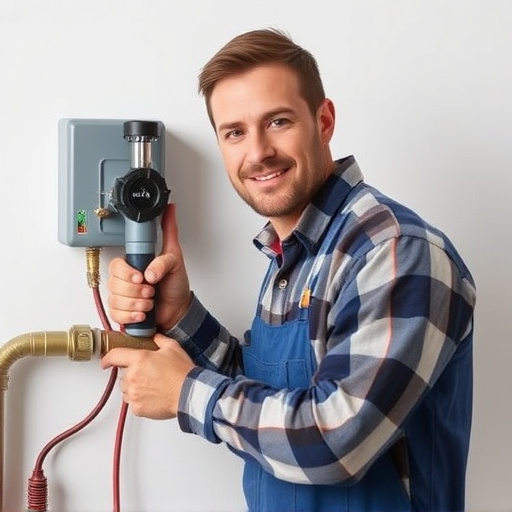
Ice maker water line freeze-ups are common and costly, especially in colder months. Appliance Repair Austin experts stress prompt action to prevent pipe bursts. Solutions include insulating lines with heat tape, regular maintenance checks, advanced diagnostics for complex cases, and replacing blocked or damaged lines. Early intervention ensures smooth ice maker operation year-round. Diagnosing frozen lines involves inspecting pipes, checking water pressure and temperature, and tracing the water path. Regular maintenance and proper insulation prevent freezing; thawing frozen sections safely is crucial. Homeowners can resolve minor issues themselves but should consider Appliance Repair Austin for complex cases. Preventative measures like maintaining water pressure, insulating pipes, and installing ice maker float switches are vital to avoid disruptions and damage. Regular check-ups by Appliance Repair Austin extend ice maker lifespan and save from unexpected repairs.
Ice makers are a convenient addition to any kitchen, but they can also be a source of frustration when they develop issues like water line freezes. As a trusted Appliance Repair Austin service provider, we’ve seen firsthand how these problems can disrupt your daily routines. Freezing water lines aren’t just an inconvenience; they can lead to costly damages if left unattended. In this article, we’ll guide you through the process of diagnosing and repairing ice maker water line freeze issues, ensuring your appliance functions optimally once again.
- Understanding Water Line Freeze Issues in Ice Makers
- Diagnosing Appliance Repair Austin: Freezing Water Lines
- Step-by-Step Guide to Unfreezing Your Ice Maker
- Preventing Future Ice Maker Water Line Freezes
Understanding Water Line Freeze Issues in Ice Makers
Ice makers, a common household appliance, can present unique challenges when it comes to maintenance and repairs. One of the most frustrating issues is water line freeze-ups, which can disrupt the ice-making process and lead to costly damages if left unattended. Understanding this specific problem is crucial for effective appliance repair in Austin and beyond.
Water line freeze issues arise when the water supply lines to your ice maker become blocked or restricted due to freezing temperatures. This commonly occurs during colder months when the lines, often exposed or poorly insulated, are prone to freezing. Once frozen, the water flow is hindered, causing the ice maker to malfunction. In severe cases, continuous freezing can lead to pipe bursts, resulting in significant water damage and potential appliance replacement costs. It’s a problem that demands prompt attention from seasoned appliance repair experts in Austin, who understand the importance of timely intervention to prevent such disasters.
The solution involves several strategic steps. First, assess the ice maker’s location and exposure to cold air. If lines are accessible but not adequately insulated, retrofitting with heat tape or insulation can prevent freezing. Regular maintenance checks during winter months are essential, allowing for early detection of any freezing issues. For complex cases, where pipes are buried or hard-to-reach, professional appliance repair services in Austin offer advanced diagnostic tools to pinpoint the problem accurately. Once identified, solutions range from simple cleaning and unblocking to complete line replacement, ensuring your ice maker functions optimally throughout the year.
Diagnosing Appliance Repair Austin: Freezing Water Lines
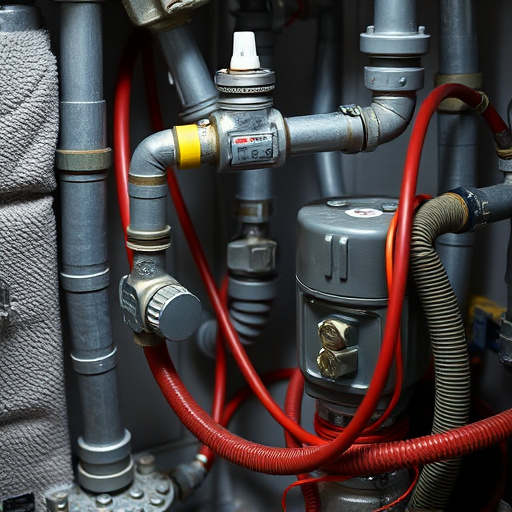
Diagnosing a frozen water line in an ice maker is a critical step in any Appliance Repair Austin service call. The issue often manifests as a cessation of water flow to the ice maker, leading to malfunctioning or complete failure. Freezing occurs when water lines become obstructed due to low temperatures, typically during colder months. A professional technician from Appliance Repair Austin will first inspect the visible pipes for ice buildup and signs of damage. They may use specialized tools to check for water pressure and temperature along the line, as frozen sections can significantly reduce or stop water flow entirely.
One common approach involves tracing the water path from the supply source to the ice maker, looking for any obvious vulnerabilities. For instance, exposed pipes in attics or outdoor areas are particularly susceptible to freezing. Technicians may also check for proper insulation around these lines; inadequate insulation is a frequent cause of wintertime freezes. Data from Appliance Repair Austin’s service records indicate that properly insulated and protected water lines significantly reduce the risk of freezing, enhancing appliance longevity.
Upon identifying frozen sections, the next step is to thaw them safely. This process requires either allowing natural thermal fluctuations to melt the ice or using specialized heating tools. Appliance Repair Austin technicians are trained in applying heat evenly to prevent further damage from extreme temperature changes. After thawing, it’s essential to address any underlying issues that contributed to the freeze, such as inadequate insulation or faulty thermostats, to avoid recurrence. Regular maintenance and proactive measures can prevent future freezing events, ensuring a reliable water supply for ice makers year-round.
Step-by-Step Guide to Unfreezing Your Ice Maker
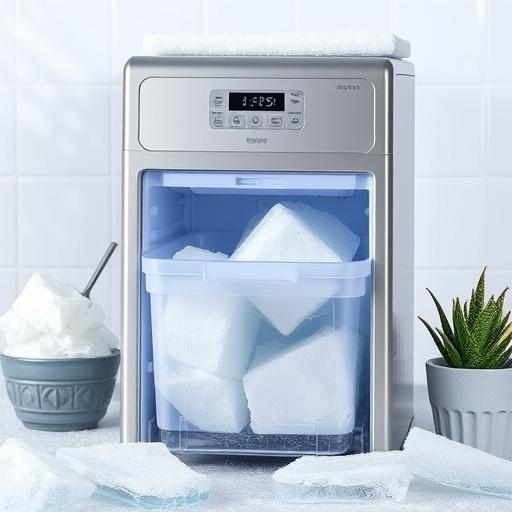
Freezing water lines in your ice maker can disrupt your cold beverage enjoyment and cause inconvenience. Fortunately, unfreezing it yourself is a straightforward process that can save you the cost of calling Appliance Repair Austin for a simple issue. Here’s a step-by-step guide to help you get back to enjoying frosty treats:
First, disconnect the power supply to your ice maker at the circuit breaker or fuse box. This safety measure prevents any accidents while you work. Next, locate the water lines connected to the appliance. These are typically flexible tubes that run from a water source to the ice maker’s water inlet valve. Turn off the water supply by closing the shut-off valve situated near the water lines. You might need a wrench for this task. After ensuring the water is turned off, you can begin the unfreezing process.
There are several methods to thaw the frozen lines. One common approach involves using warm water. Carefully pour warm (not hot) water over the affected area, focusing on the frozen sections. This method is safe and effective for most cases. If the ice buildup persists, consider using a hairdryer on its lowest heat setting. Hold it at a safe distance and move it slowly along the lines to thaw them out. Avoid direct contact with metal components to prevent damage. Once you’ve successfully melted the ice, turn on the water supply and check for leaks. If there are no leaks, your ice maker should be back in business, producing fresh ice as desired.
Regular maintenance, such as keeping the area around the water lines clear of debris and ensuring proper ventilation, can prevent future freezing issues. By following these steps, you can tackle a common ice maker repair problem with ease, saving time and money. Remember, Appliance Repair Austin is always available for more complex cases or if your ice maker requires professional attention.
Preventing Future Ice Maker Water Line Freezes
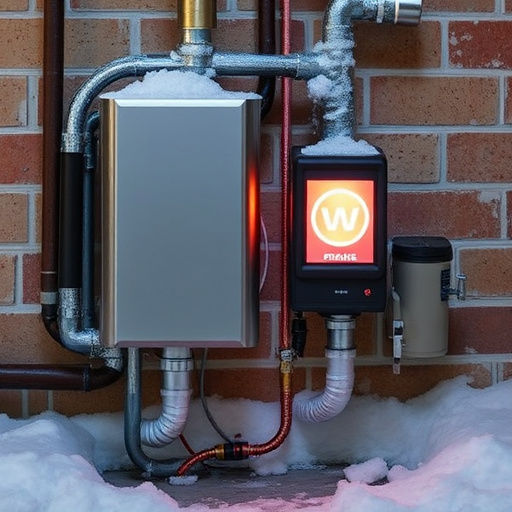
Preventing future ice maker water line freezes is a crucial aspect of appliance repair and maintenance, particularly in regions with colder climates. Freezing water lines can lead to significant disruptions in your home’s plumbing system and cause substantial damage if left unattended. At Appliance Repair Austin, we’ve encountered numerous cases where simple preventive measures could have avoided costly repairs and inconvenient interruptions.
One of the primary causes of ice maker water line freezes is low water pressure, which often occurs during cold seasons when water pipes tend to contract. To mitigate this, homeowners can invest in water pressure regulators that maintain consistent pressure levels. For instance, a study by the American Society of Civil Engineers revealed that proper water pressure regulation can reduce pipe freezing incidents by up to 40%. Regularly checking and maintaining these devices is an essential step in preventing ice buildup. Additionally, insulating exposed water lines, especially near exterior walls and windows, can provide much-needed protection against cold temperatures.
Another effective strategy is to install a dedicated ice maker float switch. This device prevents the ice maker from operating continuously by shutting off the water supply when the ice bin is full. By doing so, it reduces the risk of overflow and freezing. Appliance Repair Austin recommends scheduling regular check-ups to ensure these switches are functioning correctly. During these inspections, consider cleaning any mineral deposits or debris that might interfere with proper operation. Taking proactive measures such as these can significantly extend the lifespan of your ice maker and save you from unexpected repairs.
By understanding the underlying causes of water line freezes in ice makers—a common issue, especially in colder climates—homeowners can take proactive steps to prevent disruptions. This article has equipped readers with essential knowledge on diagnosing and repairing these issues, offering a step-by-step guide for unfreezing ice makers. Furthermore, by learning effective prevention methods, such as maintaining proper insulation and regular cleaning, Appliance Repair Austin clients can significantly reduce the likelihood of future water line freezes. These practical tips not only ensure smooth operation but also prolong the lifespan of your ice maker, making it a valuable resource for any homeowner.