Appliance Repair Austin emphasizes the critical role of oven temperature sensors for precise cooking. These sensors measure resistance/voltage to ensure accurate temperature readings, vital for consistent baking and roasting. Regular calibration through a multi-step process is essential to maintain their precision, prevent cooking errors, and extend appliance lifespan. Appliance Repair Austin recommends periodic checks for optimal sensor performance, guaranteeing safe and delicious culinary outcomes.
In the realm of home appliance maintenance, precision temperature control is paramount, especially for your trusted oven. At Appliance Repair Austin, we understand the significance of accurate temperature readings to ensure your culinary creations turn out perfectly every time. However, even the most meticulous ovens can develop issues with their temperature sensors over time, leading to inconsistent results and potential food spoilage. This article delves into the critical role of oven temperature sensor calibrations in maintaining accuracy, offering valuable insights to help you keep your appliance running optimally.
- Understanding Oven Temperature Sensors: Their Role in Cooking
- Calibration Process: Steps for Accurate Sensor Readings
- Appliance Repair Austin: Maintaining Precision with Regular Calibrations
Understanding Oven Temperature Sensors: Their Role in Cooking
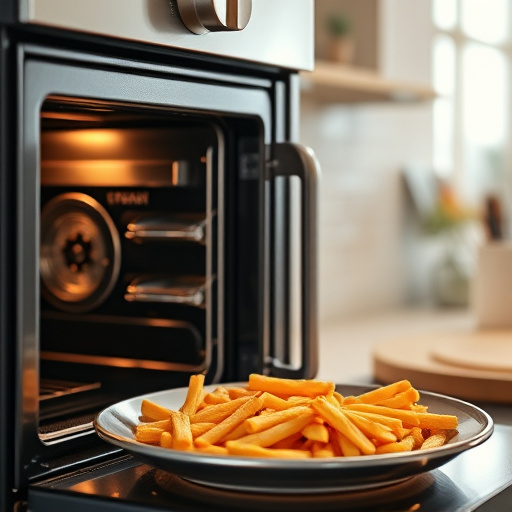
Oven temperature sensors play a critical role in modern cooking, ensuring precise and consistent results. These advanced components are designed to monitor and regulate heat within ovens, ranges, and other heating appliances, such as those serviced by Appliance Repair Austin. Their primary function is to provide accurate temperature readings, allowing appliances to adjust heating elements accordingly. For instance, when baking a cake, a temperature sensor ensures the oven maintains the exact degree required, preventing over or under-baking.
The sensor’s mechanism involves measuring the resistance or voltage in a wire as it heats up. This data is then converted into temperature readings using sophisticated algorithms. The accuracy of these sensors is remarkable, often within a few degrees, making them indispensable for professional chefs and home cooks alike. Regular calibration is essential to maintain this precision, ensuring the sensor functions optimally over time. Calibration involves comparing the sensor’s reading against a known standard to adjust any deviations.
In practice, appliance repair technicians may encounter issues related to temperature sensors, including malfunction or inaccurate readings. Prompt calibration or replacement can prevent cooking disasters and ensure food is prepared safely and deliciously. At Appliance Repair Austin, our experts understand the importance of these seemingly invisible components in creating culinary masterpieces. We recommend periodic checks and calibrations to keep your oven’s temperature sensor working like new, guaranteeing consistent and delicious results every time you bake or roast.
Calibration Process: Steps for Accurate Sensor Readings
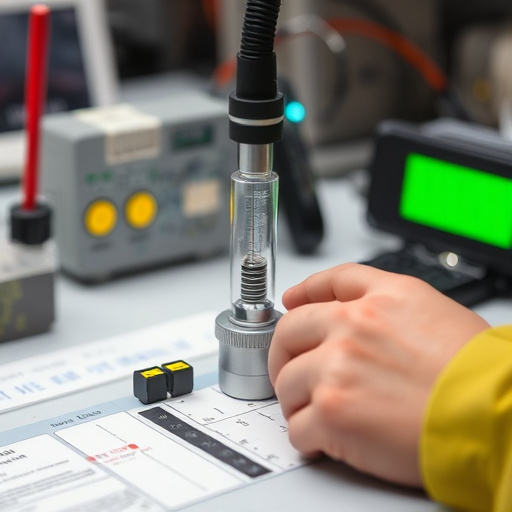
The calibration process for an oven temperature sensor is a critical step in ensuring accurate readings and optimal cooking performance. This involves a series of precise procedures to fine-tune the sensor’s sensitivity and responsiveness. At Appliance Repair Austin, we understand that even the smallest deviation in temperature can significantly impact culinary results. Therefore, we emphasize the importance of regular calibrations for all our clients’ ovens.
To begin the calibration process, locate the temperature sensor within your oven, typically found near the heating element or at the back wall. Clean the area around it to eliminate any debris or buildup that might interfere with its functionality. Next, use a multimeter tool to check the sensor’s resistance and voltage levels, comparing them to the manufacturer’s specifications. This initial assessment helps identify any obvious discrepancies. For instance, if the measured resistance is significantly higher or lower than expected, adjustments may be needed.
Following this, create a controlled environment by setting your oven to specific temperatures using precise increments. Start with warmer settings and gradually move towards cooler ones. As the oven heats up or cools down, observe the sensor’s response time and accuracy. Record these readings alongside the set temperatures for future reference. This data analysis allows you to identify any deviations from the ideal performance. By following these steps regularly, Appliance Repair Austin recommends that homeowners can maintain their ovens’ precision, ensuring consistent cooking results and extending the appliance’s lifespan.
Appliance Repair Austin: Maintaining Precision with Regular Calibrations
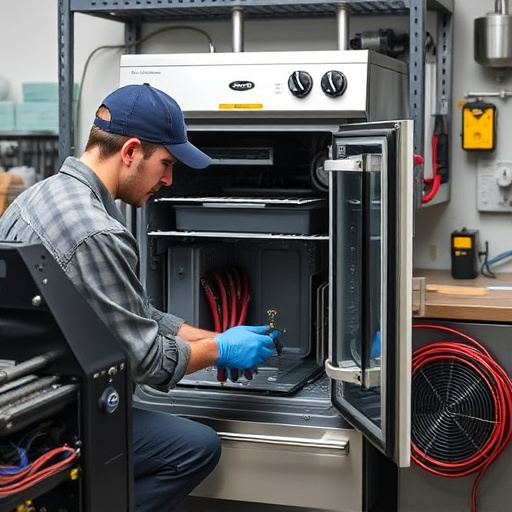
In the realm of modern home appliances, precision cooking is a cornerstone for achieving culinary perfection. At Appliance Repair Austin, we understand the vital role temperature sensors play in maintaining this accuracy, especially within ovens. These sensors are designed to monitor internal temperatures with meticulous detail, ensuring your food cooks evenly and as intended. However, like any critical component, regular calibration is essential to safeguard their integrity and the overall performance of your oven.
Over time, these sensors can drift slightly, leading to temperature readings that deviate from their original specifications. For instance, a sensor might register 10°F higher than its actual value. This discrepancy may seem insignificant, but it can significantly impact cooking outcomes—a roast could end up overcooked, and cookies might become crisp instead of soft and chewy. To prevent such issues, Appliance Repair Austin recommends scheduling regular calibrations for your oven’s temperature sensor. This process involves comparing the sensor’s performance against a known accurate reference point to ensure it functions within its designed parameters.
During a calibration, technicians will use specialized equipment to test the sensor under controlled conditions, adjusting any settings to bring it back into alignment. This meticulous procedure guarantees that when you set your oven to 350°F, that temperature is precisely achieved. By prioritizing regular calibrations, Appliance Repair Austin ensures our clients receive consistent, accurate cooking results—a testament to our commitment to precision and customer satisfaction. Remember, even the smallest deviation in temperature can affect culinary creations, making proactive sensor calibration a must for any serious home cook or dedicated appliance owner.
By understanding the critical role oven temperature sensors play in cooking accuracy and consistency, homeowners can take proactive steps to ensure their appliances remain precise tools. Regular calibration, as emphasized by Appliance Repair Austin, is a simple yet effective practice that ensures these sensors deliver accurate readings, ultimately enhancing culinary results. Through following the detailed calibration process outlined in this article, readers can confidently maintain their oven’s performance, contributing to improved baking and roasting experiences.