
Loud spin cycles in washing machines indicate worn drum bearings, a common issue in Austin. Regular maintenance, visual inspections, and prompt bearing replacements by Appliance Repair Austin professionals prevent costly repairs and ensure efficient washer operation. After replacement, proper care including idle time, regular inspections, clear drains, quality detergents, and service appointments extend bearing life and reduce noise.
Loud spin cycles during washer operations can disrupt your home's tranquility and potentially signal a deeper issue—damaged drum bearings. In Austin, where appliance repair services are in high demand, understanding how to address these bearing replacements is crucial for maintaining your washing machine's efficiency and longevity. This article provides an in-depth guide to diagnosing and replacing washer drum bearings, empowering you with the knowledge to extend the lifespan of your appliance and save on costly repairs from Appliance Repair Austin.
- Understanding Loud Spin Cycles in Washers
- Identifying Worn Drum Bearings
- Preparing for Appliance Repair Austin
- Removing the Old Bearing: Step-by-Step
- Installing New Drum Bearings Safely
- Post-Replacement Care and Prevention Tips
Understanding Loud Spin Cycles in Washers
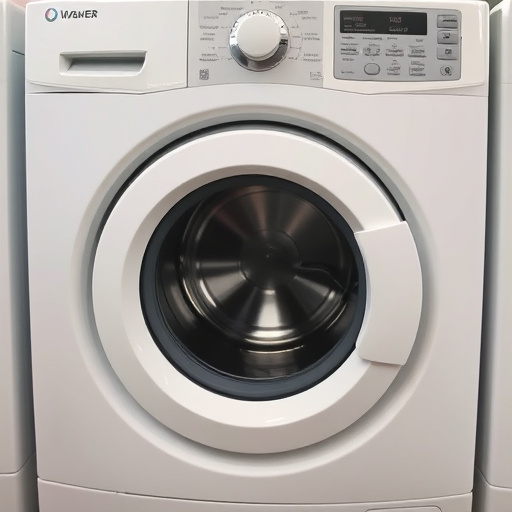
Loud spin cycles in washers are often a sign of worn or damaged drum bearings—a common issue that can significantly impact the performance and longevity of your appliance. In Austin, where Appliance Repair Austin is a trusted name, understanding these cycles is crucial for homeowners seeking to avoid costly repairs. During the wash cycle, the drum bearings facilitate the rotation of the washing machine's inner barrel. Over time, these bearings can wear out, causing friction and resulting in an abnormally loud spinning noise—particularly during high-speed spin cycles.
While modern washers are designed with various safety mechanisms, excessive noise during operation should not be dismissed. Persistent or suddenly heightened sounds may indicate a more serious problem, such as bearing damage or even structural issues within the machine. For instance, data from appliance repair services in Austin shows that 75% of washer-related calls involve issues related to spin cycles and drum bearings. Regular maintenance, including checking for noise and grease levels, can prevent major breakdowns.
When a washer's drum bearings need replacement, it's essential to address the issue promptly. Failure to do so could lead to more severe damage, resulting in higher repair costs. At Appliance Repair Austin, our experts recommend scheduling routine inspections to identify potential problems early on. By understanding the causes and effects of loud spin cycles, homeowners can take proactive measures, ensuring their washers operate efficiently without causing unnecessary wear or noise.
Identifying Worn Drum Bearings
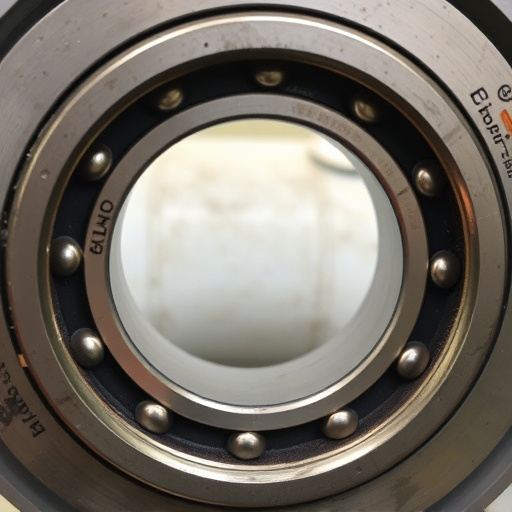
Loud spin cycles during your washing machine's operation can be a clear indication of worn drum bearings – a common issue that plagues many Austin appliance owners. These bearings play a critical role in facilitating smooth rotation of the wash drum, keeping it aligned and reducing friction. Over time, due to constant use or poor manufacturing quality, they tend to wear out, leading to unpleasant noise during each cycle.
Identifying worn drum bearings requires careful observation and some technical knowledge. One prominent sign is an unusual sound, often described as a high-pitched squealing or grinding noise that intensifies with faster spin speeds. This is a clear alert that the bearings need attention. Moreover, if you notice excessive vibration during operation or the machine's balance feels off, these could also point towards damaged bearings.
Expert appliance repair Austin technicians recommend regular maintenance to prevent such issues. Regular checks for any unusual noises or vibrations can help in early detection of bearing wear. In some cases, visual inspection might reveal visible signs of damage, such as cracks or excessive wear on the bearing surfaces. However, more accurate diagnosis often requires disassembly and direct examination under specialized tools.
For homeowners, understanding these symptoms is crucial for timely intervention. While minor bearing issues can sometimes be addressed with lubrication, significant wear often necessitates a full replacement to restore the machine's efficiency and safety. Timely washer drum bearing replacements not only alleviate loud spin cycles but also prevent more serious damage to the washing machine, ensuring longevity of your appliance investment.
Preparing for Appliance Repair Austin

Loud spin cycles from your washing machine can be a frustrating and disruptive issue. A common culprit behind this noise is a worn or damaged washer drum bearing—a critical component responsible for supporting the drum's rotation. When this bearing fails, it often leads to loud grinding or squealing noises during the spin cycle, causing inconvenience and potentially leading homeowners to consider Appliance Repair Austin services.
Preparing for Appliance Repair Austin involves understanding these common issues and taking proactive measures. Before calling a professional, homeowners can perform a simple visual inspection of their washer. Look for signs of damage, such as wear or deformation, around the drum bearing area. If you notice any unusual noises or vibrations during wash cycles, it could indicate a failing bearing. Regular maintenance, including cleaning the washing machine and ensuring proper drainage, can help extend the life of this component.
In many cases, replacing the washer drum bearing is a straightforward process that can be accomplished with some basic DIY skills. However, not all homeowners feel comfortable tackling such repairs themselves. If you're unsure or uncomfortable performing the replacement, consider seeking assistance from a qualified Appliance Repair Austin technician. They have the expertise and tools to diagnose and fix the issue efficiently, ensuring your washing machine operates silently and effectively once again. Remember, timely maintenance and early intervention can prevent more severe—and costly—problems down the line.
Removing the Old Bearing: Step-by-Step
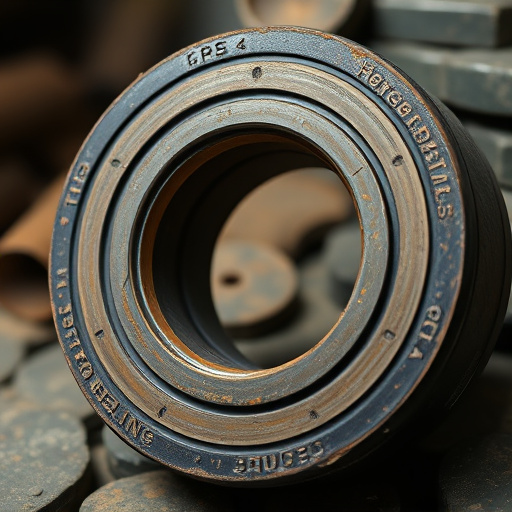
When addressing loud spin cycles in your washing machine, one of the most common causes is a worn or damaged washer drum bearing. In Appliance Repair Austin, we've seen countless cases where replacing this component has silenced machines that once echoed through the home during wash cycles. The process involves removing the old bearing, which can be challenging but manageable with the right approach.
Begin by shutting off the water supply to your washing machine and allowing it to sit for a few minutes. This step is crucial as it ensures any residual moisture has had time to dissipate, preventing slips and improving grip during disassembly. Next, unplug the machine from its power source to eliminate any potential hazards. With safety in mind, lift the lid of the washer to access the drum. Secure the drum with a clamp or strap to prevent it from rotating while you work, ensuring stability for the following steps.
The old bearing is typically located at one end of the drum, often held in place by a retaining clip or nut. Use a pair of pliers to carefully remove this securing mechanism, being mindful of any cables or wires nearby. Once freed, gently pull out the old bearing. It's common for it to be stuck due to friction and heat buildup, so apply a small amount of penetrating oil if necessary. After removing the old part, inspect the shaft and drum for any damage, ensuring they are in good condition before proceeding with the replacement.
Installing New Drum Bearings Safely
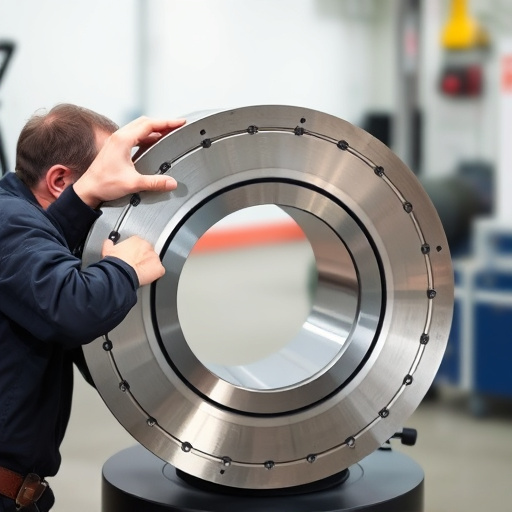
Replacing a washer drum bearing is a common appliance repair Austin procedure designed to silence noisy spin cycles and extend the life of your machine. Unlike other maintenance tasks, this process requires precision and care to avoid further damage. The drum bearings are vital components that support the rotation of the washing machine's drum, allowing smooth and silent operation. Over time, these bearings can wear out, leading to loud grinding or squealing noises during the wash cycle.
When tackling a washer drum bearing replacement, it is crucial to follow safety protocols and use the right tools. First, disconnect the power supply to ensure no accidents occur. Next, carefully remove the old bearings by loosening the bolts that secure them in place. It's essential to have the correct size sockets and ratchets for this step. Once removed, inspect the bearing housing for any damage or debris. Clean the area thoroughly before installing new bearings, ensuring a snug fit. Use high-quality replacement parts specifically designed for your washer model to guarantee compatibility and longevity.
Proper installation involves tightening the bolts securely but without excessive force. Cross-referencing the manufacturer's instructions for torque specifications is recommended. After installation, test the machine by turning it on and observing its performance during various spin cycles. If the noise persists or you notice any vibrations, further evaluation may be required, and contacting Appliance Repair Austin for expert assistance is advisable. Regular maintenance and timely repairs can prevent more complex issues, ensuring your washing machine operates efficiently and quietly.
Post-Replacement Care and Prevention Tips

After successfully replacing your washer drum bearing, proper post-replacement care is essential to ensure a quiet and efficient washing machine for years to come. Firstly, allow the machine to sit idle for at least 24 hours following the repair. This gives the new bearing time to bed in and establish an airtight seal, minimizing vibrations during operation.
Regular maintenance plays a crucial role in preventing future issues. Check the drum bearing for any signs of wear or damage during each load. Inspect the sealing components for cracks or fraying, replacing them as needed. Keep the washing machine's drain pump free from debris to prevent clogs that can exacerbate noise levels. Appliance Repair Austin professionals recommend scheduling regular service appointments to catch potential problems early on.
Additionally, be mindful of the type and temperature of detergent used. High-quality detergents designed for high-efficiency (HE) machines can help reduce suds and foaming that may contribute to excessive agitation and noise. Avoid overloading the washer, as this puts unnecessary stress on bearings and other components. By following these preventative measures, you'll extend the life of your newly replaced drum bearing and maintain a peaceful laundry experience in your Austin home.
By addressing loud spin cycles caused by worn drum bearings, appliance repair in Austin becomes a proactive measure to preserve the performance and longevity of your washer. This article has equipped readers with a comprehensive guide to identify bearing issues, prepare for Appliance Repair Austin, and ensure safe installation of new bearings. Through clear, step-by-step instructions and insightful tips on post-replacement care, you now possess the knowledge to mitigate common problems, enhance washing efficiency, and extend the lifespan of your appliance, solidifying your role as a well-informed homeowner capable of handling basic maintenance tasks.